Do You Need a Permit to Replace Your Roof in Fairfax County vs. Prince William County?

Replacing your roof is one of the biggest investments you will make in your home. When you begin planning the project in Northern Virginia, you will quickly discover that building codes, local ordinances, and homeowners association rules can be confusing—especially if you are trying to figure out whether you need a municipal building permit before a crew strips off the first shingle.
If you live along the jurisdictional borders of Fairfax County and Prince William County, you might assume both counties handle roof replacement permits identically under the Virginia Uniform Statewide Building Code (USBC).
However, enforcement nuances, structural thresholds, townhome requirements, and local submittal procedures differ. Here is a clear breakdown of when you need a permit to replace a roof in Fairfax County versus Prince William County—and what you need to prepare before installation day.
The Baseline: The Virginia Uniform Statewide Building Code (USBC)
Under the USBC, which governs residential construction across the Commonwealth, standard "ordinary repairs" and routine maintenance do not automatically require a building permit.
For detached single-family homes, stripping off old asphalt shingles and installing a new layer of underlayment, ice and water shield, and architectural shingles is generally classified as an ordinary repair.
Where the line blurs—and where county-specific oversight kicks in—is when a project involves structural sheathing (decking), roofline alterations, structural trusses, or fire-rated shared walls in attached dwellings.
Roof Permitting in Fairfax County
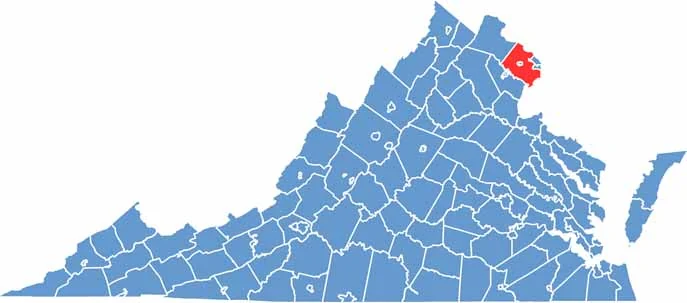
In Fairfax County, Land Development Services (LDS) handles all residential building permits. For most detached single-family homes, a straightforward shingle-for-shingle replacement does not require a permit. However, specific triggers change this rule:
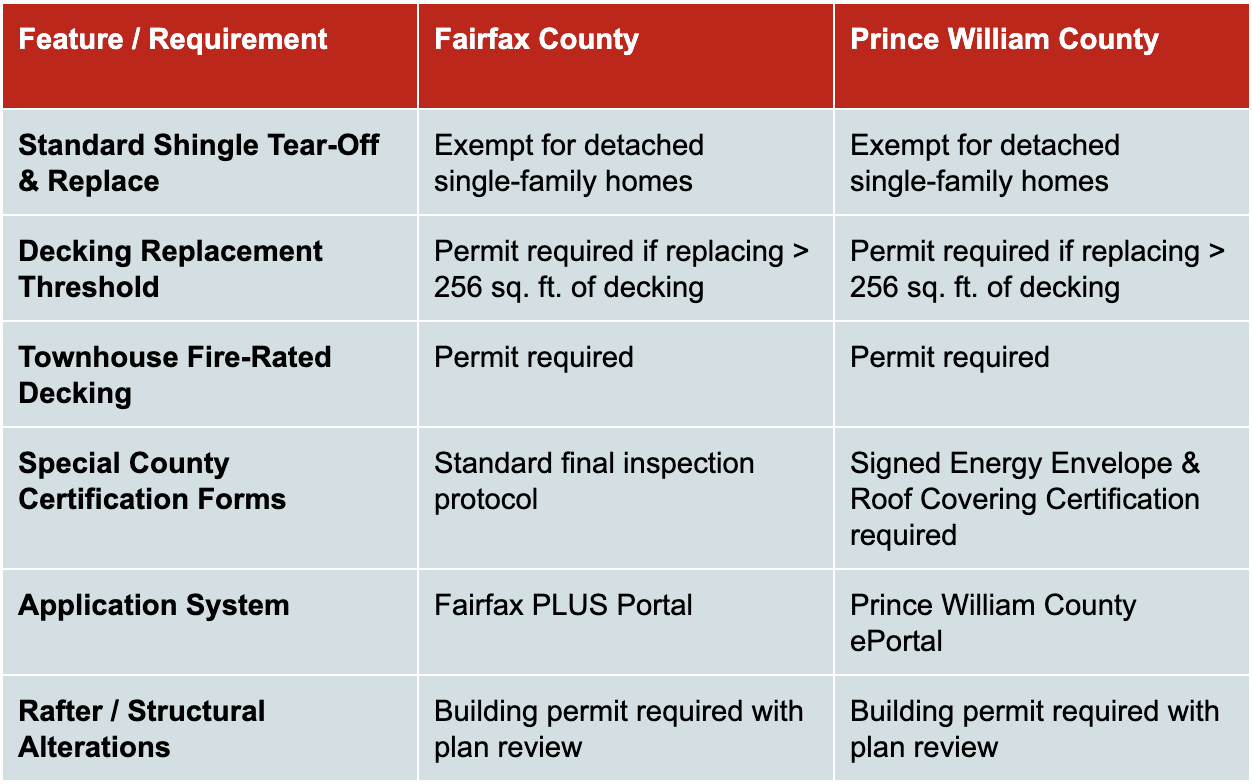
- Decking Replacement (The 256-Square-Foot Rule): Replacing damaged plywood or OSB sheathing is common during a tear-off. Under Fairfax County guidelines, replacing less than 256 square feet (equivalent to roughly eight 4x8-foot sheets of plywood) does not trigger a permit requirement. If structural rot or storm damage requires replacing more than 256 square feet of roof decking, a residential building permit is required.
- Structural Framing Alterations: If your project involves repairing rafters, modifying trusses, adding a dormer, or changing the pitch or profile of the roofline, a building permit and plan review are mandatory.
- Townhomes and Attached Dwellings: If you own a townhouse in Fairfax County, any work affecting the fire-rated separation assembly between units—including fire-retardant-treated (FRT) plywood sheathing along property line parapets—strictly requires a building permit.
- Historic Overlay Districts: Properties located within designated Fairfax County Historic Overlay Districts (such as historic Clifton or parts of Vienna) may require special approval through the Architectural Review Board, even for like-for-like roof coverings.
Roof Permitting in Prince William County
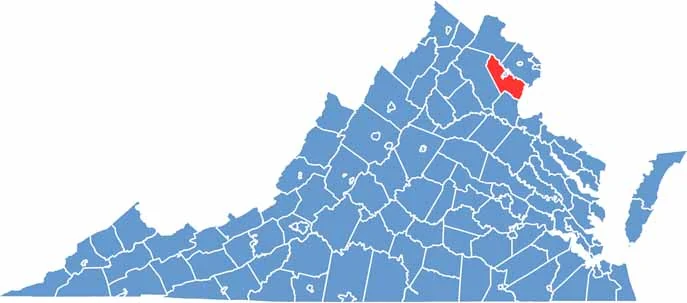
Just across the Occoquan, Prince William County manages residential permits through its Building Development Division using the county’s online ePortal.
While Prince William County also aligns with statewide exemptions for minor patch repairs, the county maintains distinct guidelines regarding full replacements, inspection sign-offs, and energy compliance:
- Full Replacements vs. Spot Repairs: While minor patch jobs following storm damage do not require a permit, full residential roof replacements that require sheathing repairs follow strict oversight. Like Fairfax, replacement of sheathing beyond minor patching (exceeding 256 square feet) triggers a building permit.
- The Energy Envelope & Roof Covering Certification: When a roof replacement permit is pulled in Prince William County, the county requires the contractor or homeowner to complete and submit a signed Energy Envelope and Roof Covering Certification. This form certifies that the materials—including ice barrier underlayment, drip edges, and proper attic ventilation—meet code standards before the project passes its final inspection.
- Attic Access for Sheathing Inspections: If sheathing replacement triggers a permit, Prince William County building inspectors typically require access to the attic during the final inspection to verify nail spacing, clips, and structural attachment into the rafters.
Quick Comparison: Fairfax vs. Prince William County
Don't Forget the "Other" Permit: Your HOA
While your county code determines structural and life-safety compliance, your local Homeowners Association (HOA) controls streetscape aesthetics.
In both Fairfax and Prince William counties, many master-planned communities—such as Reston, Burke Centre, Virginia Run, Lake Ridge, and Braemar—have strict Architectural Review Boards (ARBs).
Even if your project is completely permit-exempt with Fairfax or Prince William County, failing to secure an HOA architectural approval letter can result in hefty community fines or a requirement to redo the work. Common HOA rules dictate:
- The transition from outdated 3-tab shingles to approved architectural/dimensional profiles.
- Pre-approved color palettes (typically slate gray, charcoal, weathered wood, or black).
- Uniformity between your main roof and attached structures (like detached garages or covered patios).
Why Working with a Licensed Local Contractor Matters
Navigating county permitting portals, attic inspections, and local HOA requirements can quickly become overwhelming.
Hiring a licensed Virginia contractor ensures that:
- The Right Calls Are Made Early: If extensive rot or sagging framing is uncovered during the tear-off, your contractor knows immediately when work must pause for county inspection and can pull emergency trade permits through Fairfax PLUS or PWC ePortal without project abandonment.
- Fairfax County & PWC Building Codes Are Followed: Requirements like 36-inch ice barrier underlayment along eaves and proper ridge vent ratios are installed up to regional code.
- HOA Packets Are Ready to Submit: A reputable contractor provides the manufacturer spec sheets, warranty documentation, and color swatches required for rapid HOA approval.
Before you replace your roof, make sure your team understands both sides of the county line. At Clifton Exteriors, we proudly serve both Fairfax and Prince William counties. We manage the local guidelines, walk you through HOA requirements, and back our installations with a 10-Year Workmanship Guarantee so you never have to worry about red tape.