5 Friendly Questions That Reveal Whether Your Roofer Is Competent
5 Friendly Questions That Reveal Whether Your Roofer Is Competent
Choosing a roofer can feel like comparing sales presentations. Nearly every company promises quality materials, excellent service, and a strong warranty—but those promises don’t tell you much about the person sitting across from you.
This is not a complete guide to interrogating your roofer. It is a friendlier way to start an honest conversation, filter out inexperienced salespeople, and find someone who understands roofing and will remain accountable after you sign the contract.
1. “How Long Have You Personally Worked in the Roofing Industry?”
Notice that the question is about the person—not the company.
A salesperson may tell you that the company has “50 years of combined experience” without explaining that they personally entered the roofing industry three months ago. That doesn’t automatically make them dishonest, but it does help you understand whose advice you are receiving.
Why ask this?
The person inspecting your roof may be recommending repairs, selecting materials, identifying problems, and helping determine how much you spend. You deserve to know whether that advice comes from personal roofing experience or a recently memorized sales presentation.
What should you look for?
Look for someone who answers directly and explains what they have actually done. Have they installed roofs, supervised crews, managed projects, performed inspections, handled repairs, or worked primarily in sales?
Be cautious if they:
- Avoid stating how long they have personally worked in roofing
- Answer only with the company’s experience
- Use “combined experience” instead of explaining their own background
- Cannot describe what they did before becoming a salesperson
Someone can be new and still provide good service, but they should be honest about their experience and have an experienced person supporting their recommendations.
2. “What Is Your Relationship With the Owner of the Company?”
This question reveals how connected your representative is to the people who can make decisions and solve problems.
Do they communicate with the owner regularly? Are they a long-term employee, an independent salesperson, a subcontractor, or someone hired mainly to close contracts? If something goes wrong, can they reach someone with the authority to fix it?
Why ask this?
Roofing problems sometimes require decisions that a salesperson cannot make alone. You want to know whether your representative has a meaningful relationship with the company or may disappear once the contract is signed.
What should you look for?
A good representative should clearly explain their role, how long they have worked with the company, and who handles important customer concerns.
Be cautious if they:
- Are vague about whether they work directly for the company
- Cannot identify who owns or manages the business
- Have little contact with the installation or production team
- Seem responsible only for selling the project
- Cannot explain who takes over after the contract is signed
Being close friends or family with the owner does not guarantee competence. What matters is whether your representative has access to decision-makers and remains involved when you need help.
3. “Can You Show Me Proof of Workers’ Compensation and Liability Insurance So I Know We’re Both Covered?”
Don’t ask only whether the company is insured. Ask to see a current certificate of insurance.
The documentation should show the insured company’s legal name, the type of coverage, the insurance provider, and the policy dates. Confirm that the company listed on the certificate matches the company named in your contract.
Why ask this?
General liability insurance may provide protection when the contractor damages your property. Workers’ compensation generally addresses job-related injuries involving covered workers.
Roofing is dangerous work. You should not rely on a verbal promise that everyone is “fully covered.”
What should you look for?
A professional contractor should be comfortable providing current documentation or having its insurance agent issue a certificate.
Be cautious if they:
- Refuse to provide proof
- Show an expired certificate
- Provide insurance under a different company name
- Carry liability insurance but avoid questions about workers’ compensation
- Claim that insurance is unnecessary because everyone is a subcontractor
- Cannot explain whether the installation crew is covered
A certificate provides useful evidence, but homeowners can also contact the listed insurance agency to confirm that the policies are active and applicable to the project.
4. “If Something Goes Wrong, Can I Call You Directly—and Will You Stay Involved?”
This is friendlier and more revealing than asking, “Who do I call if there is a problem?”
Pay close attention to whether the person says, “Call me and I’ll help resolve it,” or immediately redirects you to an office, project manager, warranty department, or unidentified future contact.
Why ask this?
Some roofing salespeople remain involved only until the contract is signed. Once the deposit is collected, the homeowner may be passed between departments and struggle to reach anyone with authority.
Problems can happen even with a good contractor. The more important question is whether someone takes ownership when they do.
What should you look for?
Look for a specific explanation of who will help you, how concerns are documented, and whether your original representative will stay involved.
Be cautious if they:
- Say their responsibility ends once the project is sold
- Cannot name the person who will manage your project
- Promise that nothing could possibly go wrong
- Give you only a general office number
- Avoid providing a clear escalation process
- Blame the crew, manufacturer, or homeowner before a problem has even occurred
The strongest answer is not “We never have problems.” It is “If a problem happens, here is exactly how we handle it.”
5. “Have You Ever Had an Upset Homeowner? How Did You Resolve the Issue?”
Every established contractor has encountered an unhappy customer. Weather delays, miscommunication, property damage, installation mistakes, and unexpected costs can all create frustration.
Claiming that no customer has ever been upset is usually less reassuring than describing how a difficult situation was resolved.
Why ask this?
This question reveals honesty, maturity, and accountability. It shows whether the person listens to customers, takes responsibility, and works toward a solution—or immediately becomes defensive and blames everyone else.
What should you look for?
A trustworthy answer should include a real example, an explanation of what went wrong, and the steps taken to make things right.
Be cautious if they:
- Claim they have never had an unhappy customer
- Blame the homeowner for everything
- Mock or insult a former customer
- Avoid explaining how the issue ended
- Focus only on proving the company was right
- Cannot provide an example despite years in the industry
You are not looking for a company that has never experienced a problem. You are looking for one that responds professionally when a problem occurs.
Two Bonus Questions
“How Did You Get Into the Roofing Industry?”
This is an excellent rapport-building question. It helps you learn whether the person developed experience through installation, construction, project management, insurance restoration, family ownership, or sales.
There is no single correct path into roofing. Look for an honest answer that matches the knowledge and experience they claim to have.
“If This Were Your Home, Would You Hire This Company and Choose This Exact Roofing System?”
This makes the recommendation personal. If they would select something different for their own home, ask them why.
Be cautious if the answer becomes another rehearsed sales pitch. A thoughtful roofer should be able to explain what they would choose, what they might upgrade, and where they would avoid spending unnecessary money.
You’re Looking for Honesty, Not Perfect Answers
A salesperson is not automatically unqualified, and an experienced roofer is not automatically trustworthy. The goal is to determine whether the person advising you understands the work, answers questions honestly, has access to the people performing the installation, and will remain accountable afterward.
The right roofer should make you feel informed—not pressured. Ask friendly but direct questions, listen carefully to the answers, and don’t be afraid to verify what you are told.
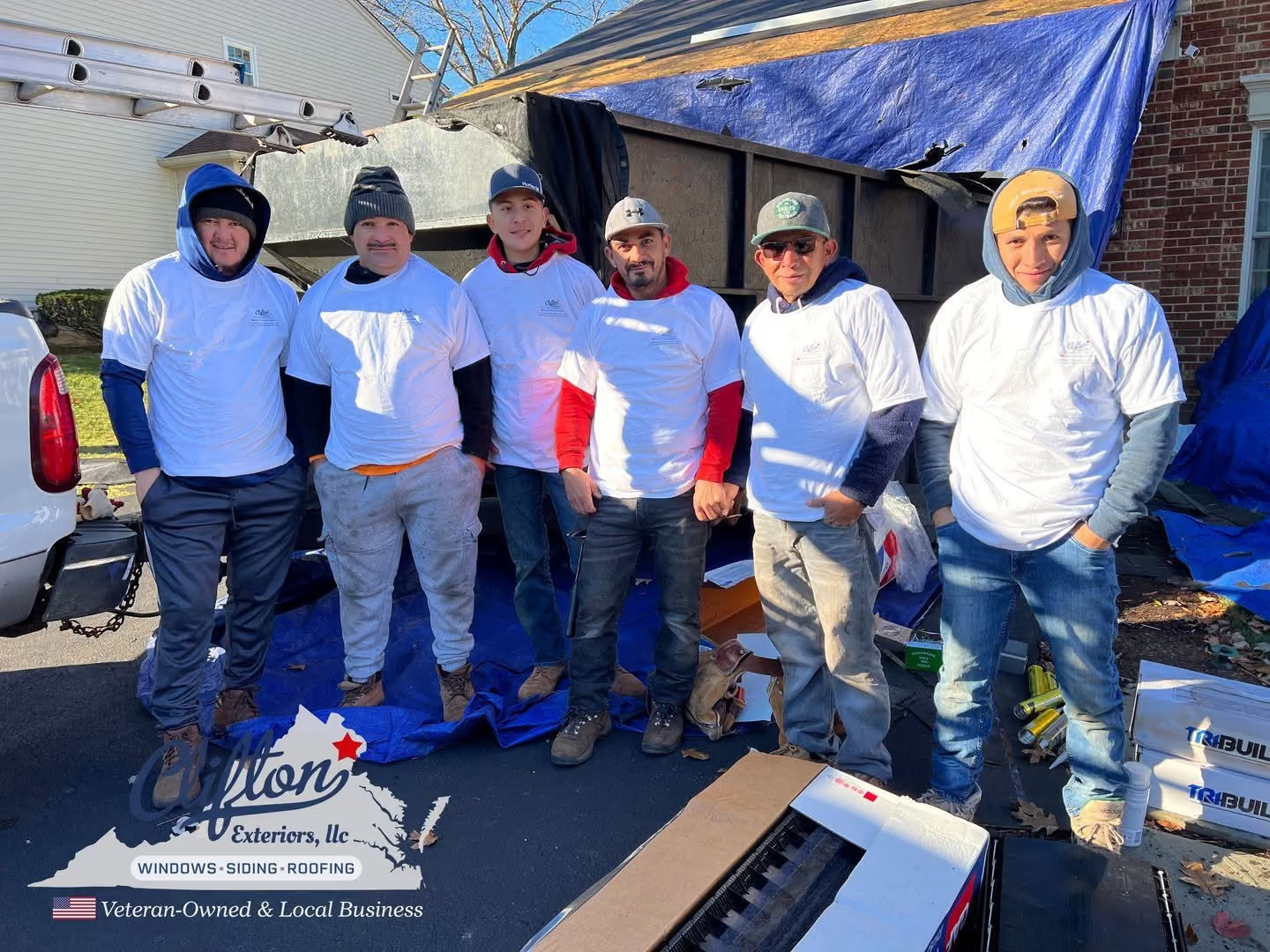
At Clifton Exteriors, we believe homeowners should know who they are hiring, who will perform the work, and who will answer the phone if something goes wrong. Contact our team for an honest roof inspection and straightforward recommendation.