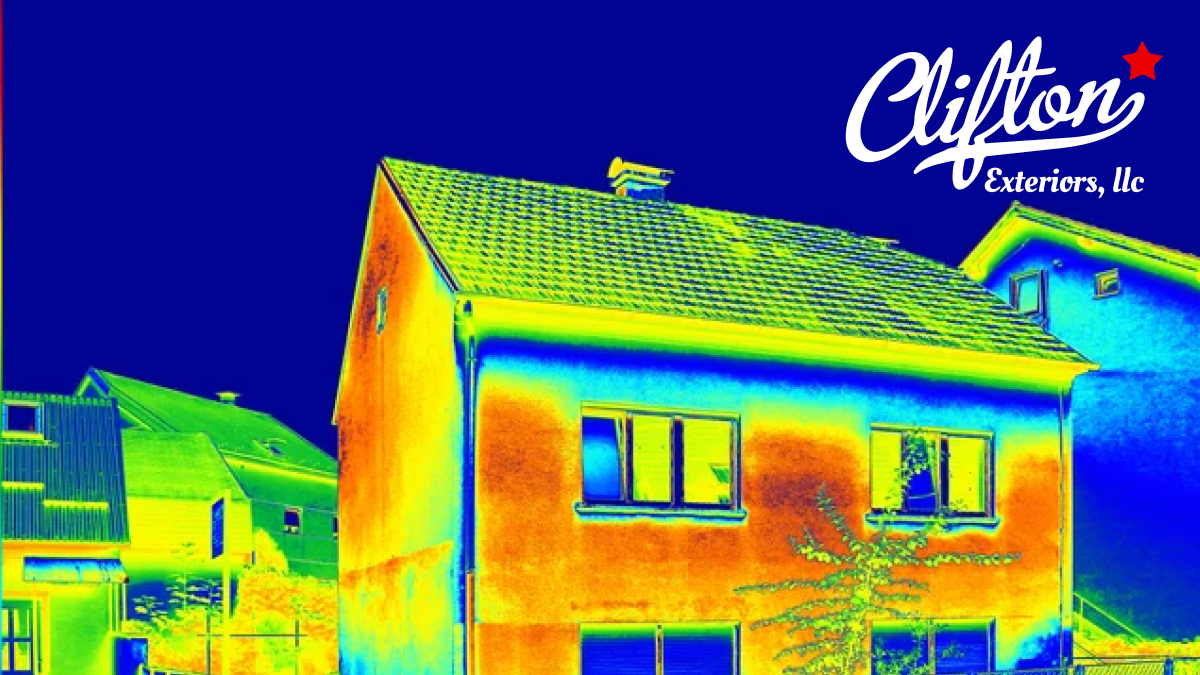
Is Your Home Ready for Another Northern Virginia Winter?
Is Your Home Ready for Another Northern Virginia Winter?
Last winter reminded Northern Virginia homeowners just how hard winter weather can be on a home.
In January 2026, a major winter storm covered parts of our region in several inches of snow and sleet. It was followed by an unusually long deep freeze, with temperatures near Dulles remaining below freezing for more than 150 consecutive hours.
Because the snow and ice could not melt normally, it remained on roofs, gutters, roads and sidewalks for days. Many homeowners began noticing thick ice along their rooflines, frozen gutters and ice dams that forced melting water underneath their shingles.
When temperatures finally rose, roofing companies across Northern Virginia received calls about leaks, damaged gutters, wet insulation and water stains that had not been visible before the storm.
Although every winter will not be as severe as the last one, it demonstrated how quickly a small exterior problem can become expensive once snow, ice and freezing temperatures arrive.
Before another Northern Virginia winter settles in, take some time to inspect the systems responsible for keeping water and cold air outside your home.
1. Start at the Top: Check Your Roof
Your roof takes the brunt of Northern Virginia’s winter weather.
Shingles that survived summer heat and fall storms may still have lifted edges, cracks or missing sections. These openings can allow wind-driven rain and melting snow to work underneath the roof.
From the ground, look for:
- Missing, cracked, curled or visibly lifted shingles
- Dark streaks, moss or areas that remain damp
- Loose flashing around chimneys, skylights and roof penetrations
- Sagging or uneven sections of the roof
- Shingle granules collecting near downspout outlets
- Damage around valleys and lower roof edges
Inside your home, check the attic and ceilings for discoloration, damp insulation, musty odors or signs of daylight coming through the roof.
A small roof opening may not leak during an ordinary rainstorm. However, it can become much more noticeable when snow and ice remain on the roof for several days.
Avoid climbing onto a steep, wet or frosty roof yourself. If something looks suspicious from the ground, a professional inspection is safer and more likely to identify the actual source of the problem.
2. Look for Signs of Previous Ice Dams
An ice dam is a ridge of ice that forms along the lower edge of a roof.
It usually begins when heat escaping through the attic warms the upper portion of the roof. Snow melts in that warmer area and runs down toward the colder roof edge. Once it reaches the eaves, it freezes again.
As this continues, the ice can grow into a dam that prevents additional water from draining off the roof. That trapped water may then work underneath the shingles and enter the roof system.
Last winter created particularly favorable conditions for ice dams because snow and sleet remained on Northern Virginia roofs throughout the prolonged freezing weather.
Signs that your home may have experienced an ice dam include:
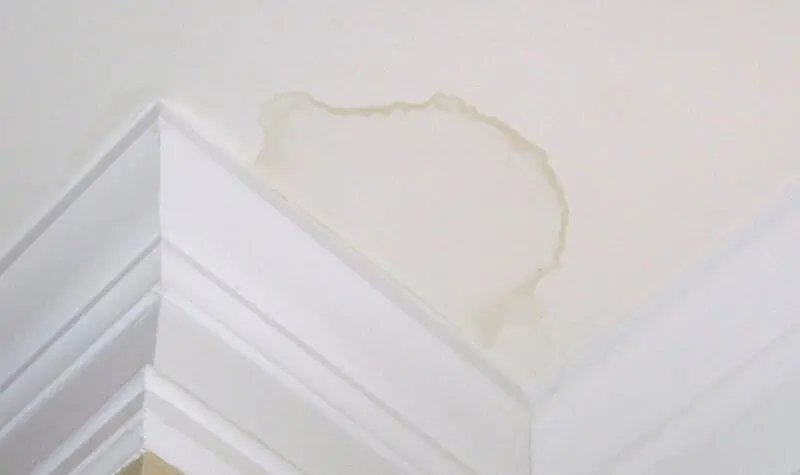
- Water stains near exterior walls or ceilings
- Damp or compressed attic insulation
- Peeling paint near the top of an exterior wall
- Damaged shingles along the lower roof edge
- Bent, separated or pulling gutters
- Rusted fasteners or staining around the fascia
- Visible mold or moisture inside the attic
Removing visible ice is only a temporary response. Recurring ice dams can be associated with attic air leakage, inadequate insulation, ventilation problems or vulnerable areas around the roof edge.
Finding those weaknesses before the next major storm is much easier than dealing with an active leak while the roof is covered in ice.
3. Clear the Gutters Before the Leaves Freeze
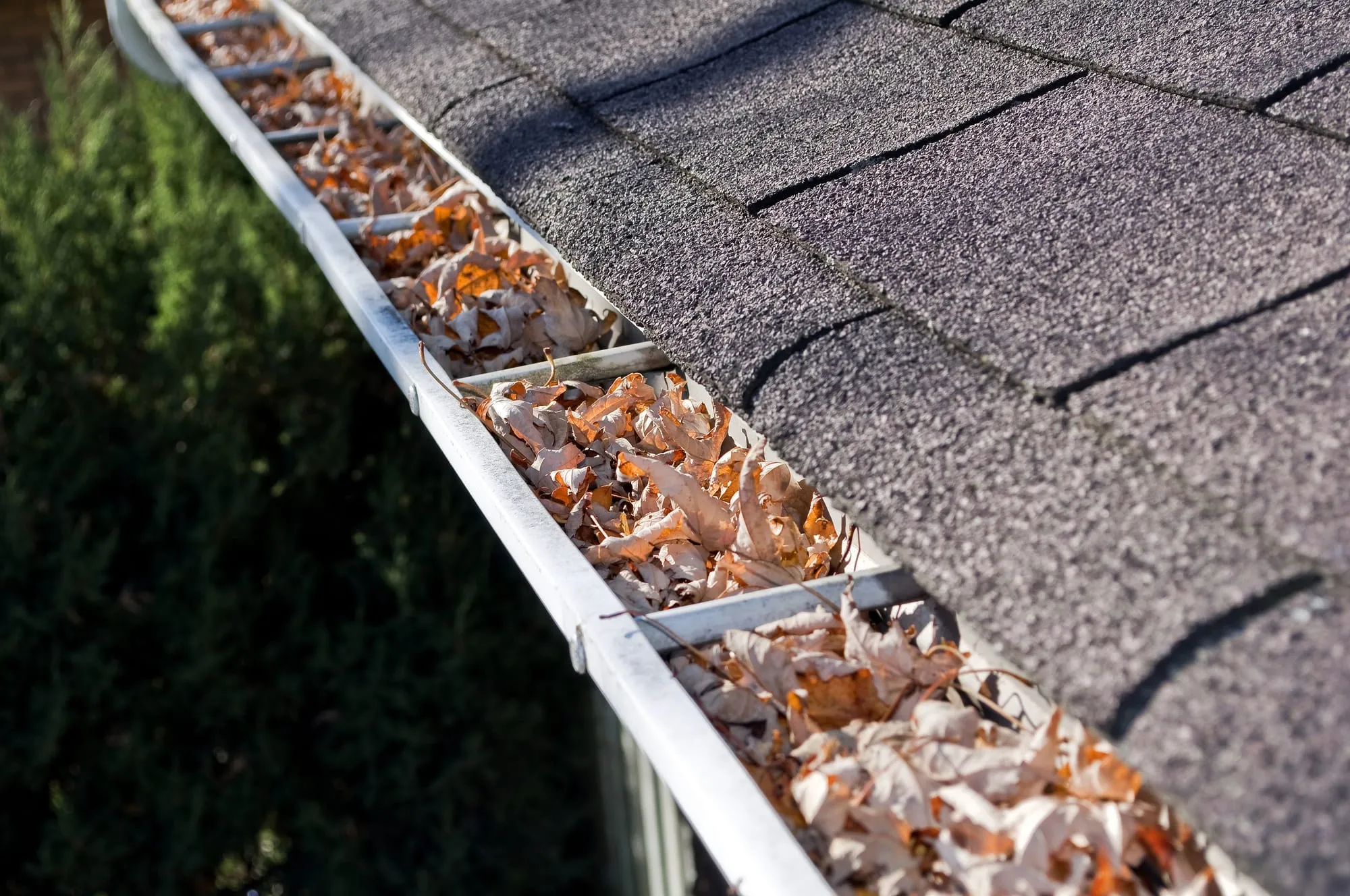
Clifton and the surrounding Northern Virginia communities are known for mature trees. They are beautiful until their leaves, twigs and seed pods begin filling the gutters.
When gutters cannot drain, water can spill behind the system, soak the fascia boards, collect near the foundation or freeze along the edge of the roof.
Before winter, check that:
- Leaves and debris have been removed from the gutters
- Roof valleys are free of heavy debris
- Downspouts are firmly attached
- Water flows toward the downspouts instead of sitting in low spots
- Gutter seams and end caps are not leaking
- Downspouts carry water safely away from the foundation
A clogged or frozen gutter does not directly cause every ice dam, but it can make it more difficult for water to leave the roofline. Gutters already filled with leaves can become solid blocks of ice during an extended freeze.
The additional weight of ice can also loosen gutters or pull them away from the fascia.
If your gutters seem to clog immediately after cleaning, gutter guards may reduce the amount of debris entering the system. They do not make gutters completely maintenance-free, but the right system can make upkeep easier, especially on heavily wooded properties.
4. Look for Cracks, Gaps and Damage in Your Siding
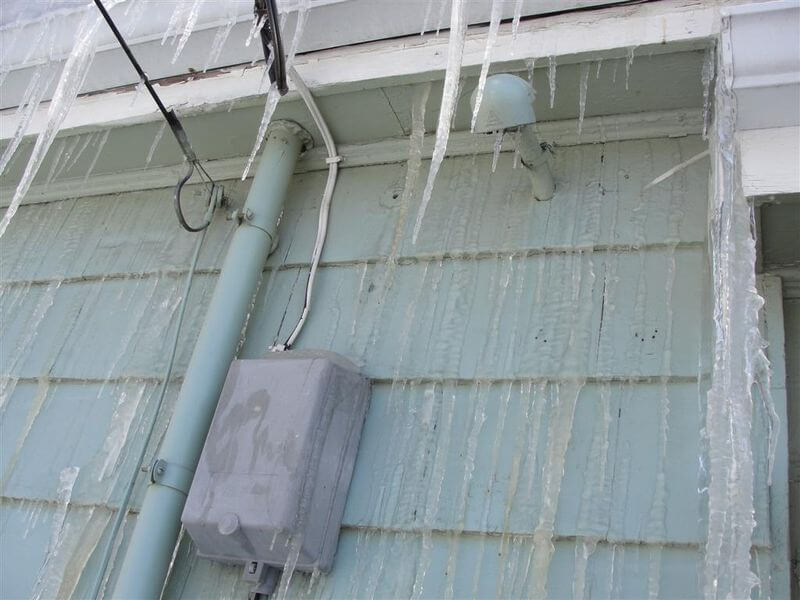
Siding is more than a decorative surface. Along with the materials installed behind it, siding helps protect your walls from wind and moisture.
Cracked panels, loose boards and failed caulk joints can give winter weather a path into areas that should remain dry.
Walk around your home and look for:
- Loose, cracked, warped or missing siding
- Soft or rotting wood around corners, windows and doors
- Open seams or deteriorated caulk
- Bubbling or peeling paint
- Water stains or areas that remain wet
- Holes caused by impacts, pests or woodpeckers
Pay particular attention to the side of your home that receives the least sunlight. Shaded areas dry more slowly and may reveal moisture-related problems before sunnier parts of the house do.
5. Test Your Windows for Drafts and Moisture
A cold window does not automatically mean it has failed. However, noticeable drafts, water intrusion or condensation trapped between the panes can indicate a problem with the window, its glass seal or the surrounding installation.
Before winter, open and close every accessible window. Confirm that each window moves properly, locks securely and seals evenly.
Inspect the interior and exterior perimeter for cracked caulk, damaged trim or water staining.
Watch for these warning signs:
- Air moving around the frame when the window is closed
- Fog or moisture permanently trapped between glass panes
- Soft, swollen or discolored trim
- Windows that stick or will not lock
- Frames or sashes that no longer sit square
- Rooms that feel noticeably colder than the rest of the house
Some drafts can be improved with new weatherstripping or exterior sealant. If the frame is deteriorated, the insulated glass has failed or the window was installed incorrectly, replacement may provide a more dependable long-term solution.
6. Inspect Exterior Doors and Thresholds
Front doors, patio doors and side doors are frequent sources of air and water leakage.
Stand inside with each door closed and look for visible light around its edges. Check whether the weatherstripping makes consistent contact and whether the sweep seals the gap at the bottom.
Outside, inspect the threshold, sill, trim and flashing.
Rot near the lower corners of a door often indicates that water has been entering for some time. A door that suddenly rubs, sticks or will not latch can also indicate movement, moisture damage or an installation problem.
7. Do Not Ignore Fascia, Soffits and Exterior Trim
The smaller components around the roofline are easy to overlook, but they help manage water, protect the roof edges and support attic ventilation.
Peeling paint, soft fascia, open trim joints and damaged soffit panels should be addressed before winter moisture makes them worse.
Pay particular attention to fascia located behind the gutters. Overflowing water and heavy ice can damage this area without creating an immediately visible leak inside the home.
Also look for animal or insect entry points. Small openings around soffits and roof edges can become inviting shelter once temperatures drop.
8. Make Sure Water Moves Away From the House
Many winter exterior problems begin with poor drainage rather than snow.
During the next steady rain, watch where the water travels. It should move off the roof, through the gutters and downspouts, and away from the foundation without pooling against the house.
Correct low spots near the foundation, reconnect loose downspout extensions and make sure exterior drains are not buried beneath leaves.
Water that repeatedly collects beside the house can contribute to foundation moisture, icy walkways and damaged landscaping.
A Quick Northern Virginia Winter Checklist
Before freezing weather arrives, make sure:
- Your roof has no missing shingles, obvious flashing damage, sagging or visible leaks.
- Your gutters are clean, securely attached and draining without overflowing.
- Your downspouts are clear and directing water away from the foundation.
- Your siding has no loose sections, open seams, impact damage or visible rot.
- Your windows open, lock and seal properly without trapped moisture.
- Your doors have weatherstripping and sweeps that seal evenly.
- Your thresholds remain dry and solid.
- Your fascia, soffits and exterior trim have no holes or soft areas.
- Your attic and ceilings show no staining, damp insulation or musty odors.
- Rainwater moves away from your home instead of collecting beside it.
- Your attic insulation and ventilation are ready for prolonged freezing weather.
When Should You Call a Professional?
Not every exterior imperfection requires replacement.
Many problems can be corrected with maintenance or a targeted repair when they are found early. It is worth scheduling a professional inspection when you notice:
- An active or recurring roof leak
- Widespread shingle damage
- Evidence of a previous ice dam
- Recurring gutter overflow
- Rotted fascia or exterior trim
- Persistent window or door drafts
- Failed insulated window glass
- Damage that cannot be evaluated safely from the ground
An experienced exterior contractor should explain what is urgent, what can be monitored and which options make sense for the age and condition of your home.
You should not have to commit to a major project just to understand what is happening.
Prepare Now, Worry Less This Winter
Last winter showed Northern Virginia homeowners that snow and ice do not need to be record-breaking to expose a vulnerable roof, clogged gutter, poorly sealed window or damaged piece of trim.
The best time to discover those problems is before another long freeze, not while ice is already building along the edge of your roof.
If you are unsure whether your roof, gutters, siding, windows or doors are ready for another Northern Virginia winter, Clifton Exteriors can help you take a closer look.
Our local team serves homeowners throughout Clifton, Fairfax County and the surrounding Northern Virginia area with practical recommendations and quality exterior work.
Contact Clifton Exteriors to schedule an inspection or request an estimate before winter weather exposes a small problem.