The Most Common Places Virginia Homes Lose Heat
The Most Common Places Homes Lose Heat
If certain rooms feel colder than others or your heating system seems to run constantly, warm air may be escaping through several areas of your home.
Some heat loss is normal, but aging windows, poorly sealed doors and gaps throughout the exterior can make your home noticeably less comfortable during a Northern Virginia winter. Here are the most common places to check.
Windows
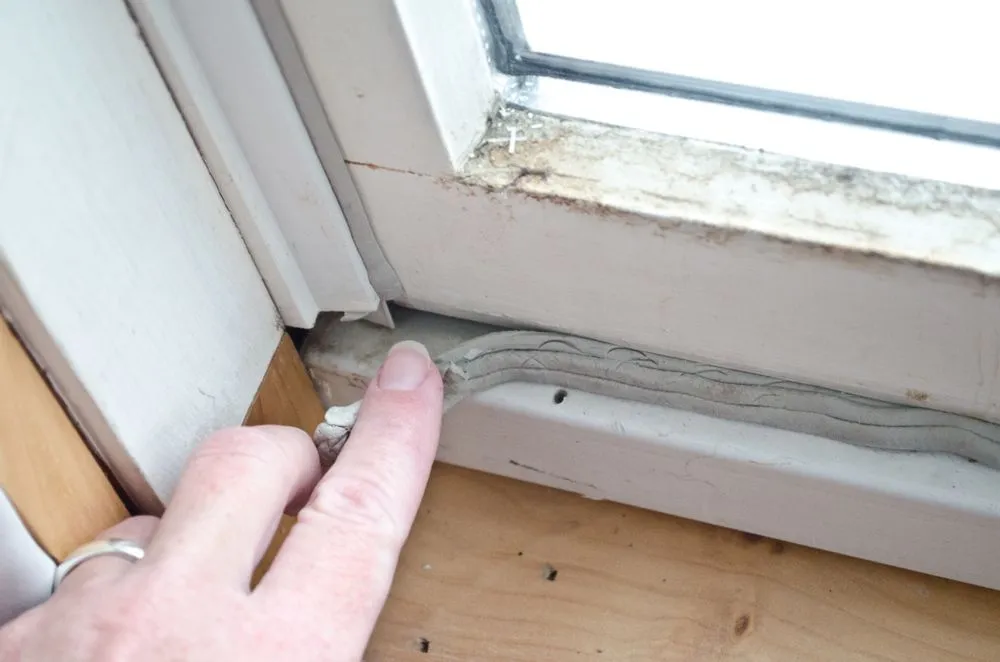
Older windows are one of the first places homeowners notice drafts.
Heat can escape around worn weatherstripping, deteriorated caulk, damaged frames or gaps left by an improper installation. The glass itself can also feel unusually cold when a window has outdated or poorly performing insulated glass.
Warning signs include:
- Air movement around the frame
- Condensation trapped between the panes
- Damaged or missing weatherstripping
- Windows that no longer close or lock properly
- Rooms that feel colder near exterior walls
Not every draft requires a new window. Caulk or weatherstripping may correct minor air leakage, while damaged frames or failed insulated glass may make replacement the better long-term option.
Exterior Doors
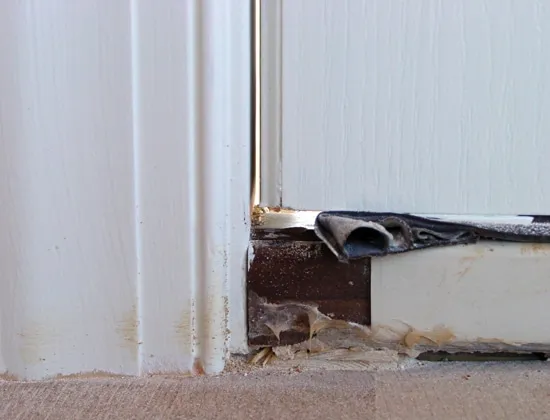
Front doors, patio doors and garage-entry doors can allow a surprising amount of cold air inside.
Check for visible light around the edges of the closed door. You should also inspect the sweep along the bottom and make sure the weatherstripping creates an even seal.
A door that sticks, will not latch or has gaps around the frame may be damaged, out of alignment or improperly installed.
The Attic and Roofline
Warm air naturally rises, making the attic an important part of your home’s energy performance.
Gaps around attic access doors, recessed lighting, plumbing penetrations and other openings can allow heated air to enter the attic. Inadequate insulation may make the problem worse.
Escaping heat can also warm the roof unevenly. During snowy weather, this may contribute to melting and refreezing along the roof’s edge, creating conditions that allow ice dams to form.
Attic insulation, air sealing and properly designed ventilation need to work together. Adding more ventilation alone does not necessarily correct heat loss.
Exterior Walls and Siding
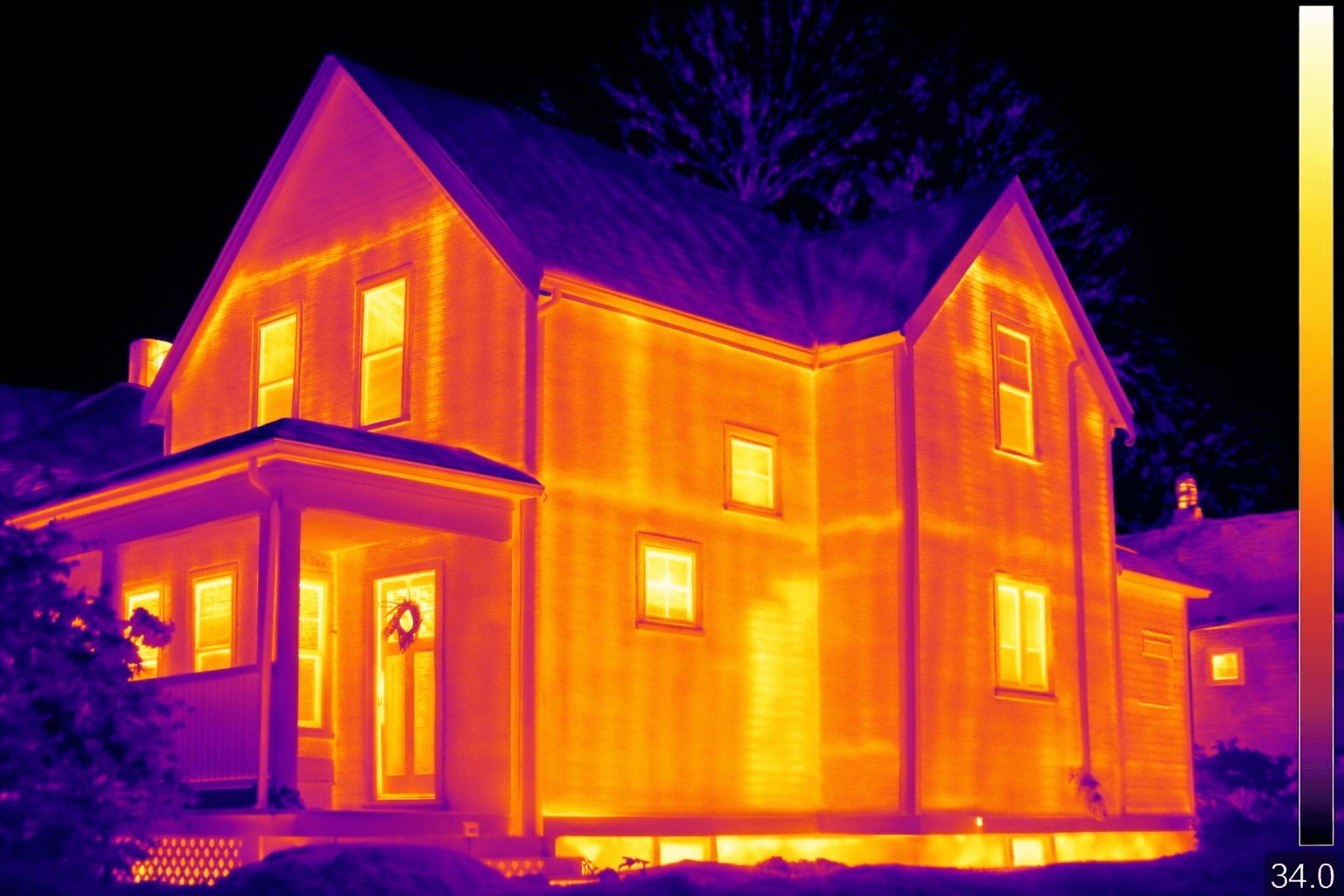
Siding helps protect the materials behind it, but cracks, gaps and damaged trim can allow wind and moisture into the exterior wall assembly.
Look for:
- Loose or missing siding
- Open seams
- Cracked caulk
- Rotting trim
- Gaps around exterior penetrations
- Damage around windows and doors
Replacing damaged siding will not correct every insulation problem, but it can help restore the exterior protection your home needs.
Electrical Outlets and Small Openings
Cold air can enter through surprisingly small gaps, including exterior-wall outlets, plumbing penetrations, cable openings and gaps around exhaust vents.
You may notice these leaks more easily on windy days. Properly sealing small openings can improve comfort without requiring a major renovation.
Fireplaces and Chimneys
An open or poorly sealed fireplace damper can allow warm indoor air to escape even when the fireplace is not being used.
Make sure the damper closes properly and have the chimney inspected if you notice persistent drafts, moisture or damage around the surrounding roof flashing.
How Do You Know Where the Heat Is Escaping?
Start by walking through your home on a cold or windy day. Check around windows, doors, exterior walls and attic access points for noticeable temperature changes or air movement.
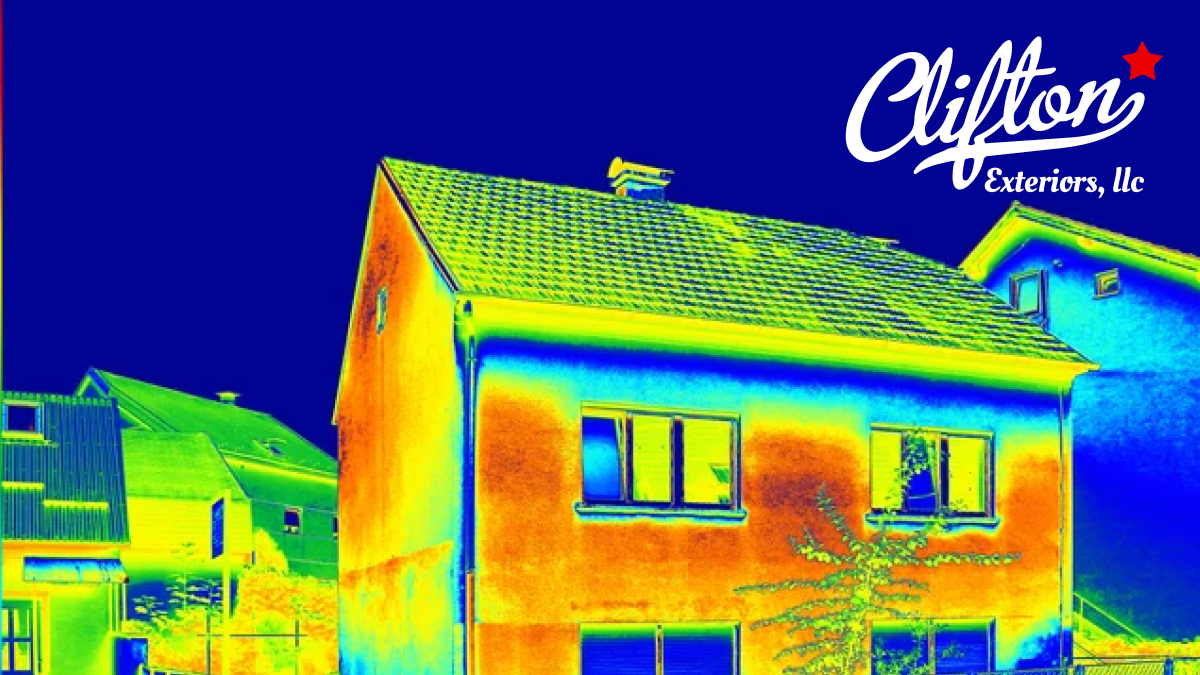
A professional energy audit can provide a more detailed answer. Tools such as thermal cameras and blower-door testing can help identify air leaks and insulation weaknesses that are difficult to see.
Make Your Home More Comfortable This Winter
If drafts seem to be coming from your windows, exterior doors, siding or damaged exterior trim, Clifton Exteriors can help determine whether maintenance, repair or replacement makes the most sense.
Our local team serves homeowners throughout Clifton, Fairfax County and the surrounding Northern Virginia area.
Contact Clifton Exteriors to request an inspection or estimate and find out whether your home’s exterior is contributing to uncomfortable rooms and unnecessary heat loss.