Dark Shingles vs. Light Shingles: Does Color Really Affect Your Energy Bills?
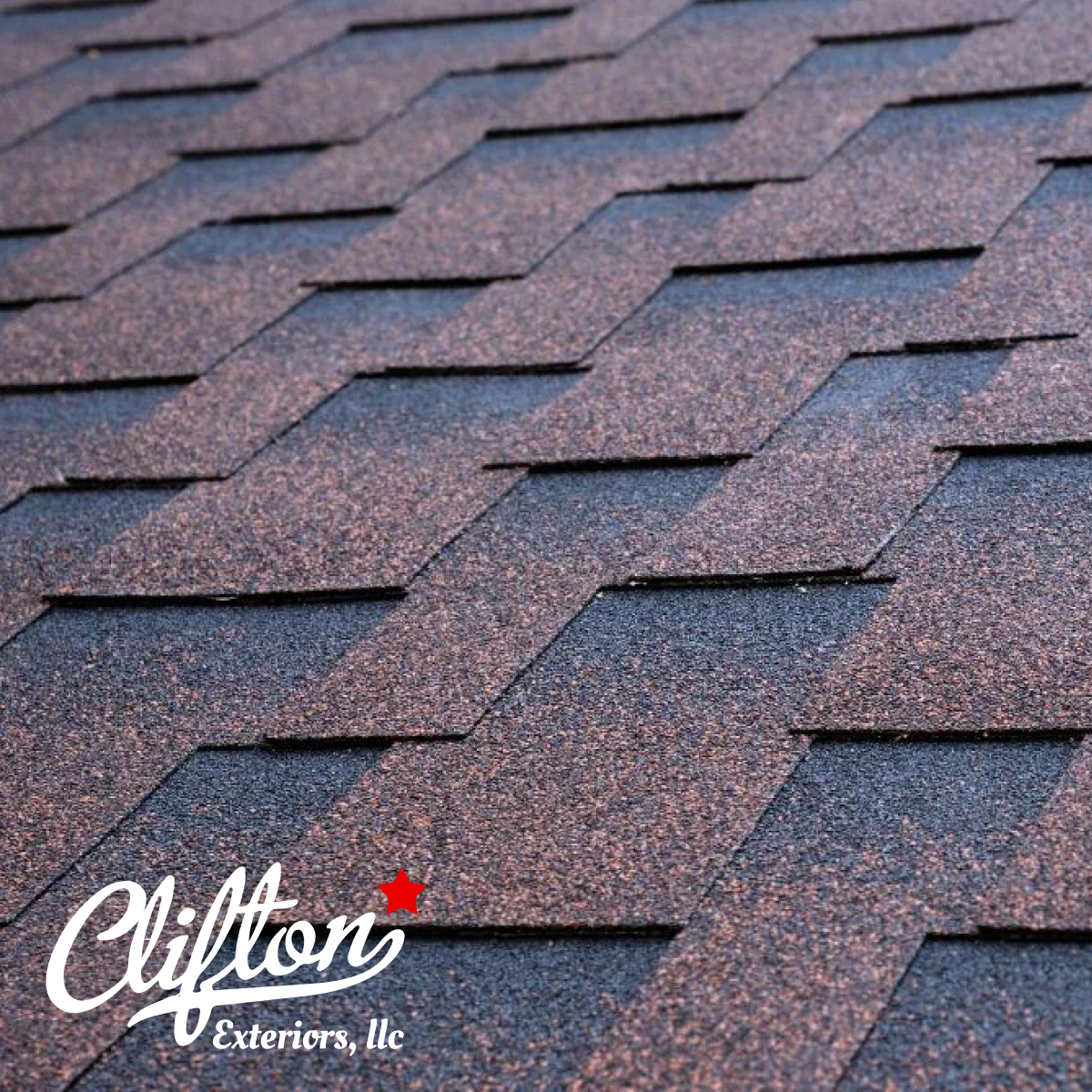
Walk through almost any neighborhood in Northern Virginia, Fredericksburg, or Richmond and you'll notice something: the majority of roofs are dark. Charcoal, slate gray, weathered brown — deep, rich tones dominate residential roofing aesthetics across the region. And for good reason. Dark shingles have a timeless, grounded look that complements most home styles and tends to hold its appeal through decades of design trends.
But a question comes up more and more as energy costs rise and homeowners look for ways to reduce their cooling burden: does shingle color actually matter for energy performance? Does choosing a lighter roof make a meaningful difference in how hot your home gets and how much you pay to cool it?
The answer is yes — more than most homeowners realize. Here's the science behind it, the real-world numbers, and how to think through the color decision when it's time to replace your roof.
Why Shingle Color Affects Temperature
The relationship between color and heat absorption is rooted in basic physics. Dark colors absorb more light energy across the solar spectrum and convert it to heat. Light colors reflect more of that energy back into the atmosphere. This principle applies to everything from clothing to car interiors — and your roof is no exception.

On a typical summer day in Virginia with outdoor temperatures in the low 90s, the surface temperature of a standard dark asphalt shingle roof can reach 150°F to 175°F. A comparable light-colored roof under the same conditions may run 20 to 40°F cooler — surface temperatures in the 120°F to 140°F range.
That temperature differential matters because heat doesn't stay on the surface. It conducts downward into the roof deck, radiates into the attic, and eventually works its way into your living spaces. A cooler roof surface means a cooler roof deck, a cooler attic, and less radiant heat pressing down on your ceilings on a July afternoon.
What the Numbers Actually Look Like
The Department of Energy and multiple independent research institutions have studied the impact of roof color on residential energy performance extensively. The findings are consistent:
- Light-colored roofs can reduce roof surface temperatures by 20 to 40°F compared to dark roofs under direct summer sun
- Attic temperatures beneath lighter roofs run measurably cooler — typically 10 to 20°F lower than attics beneath dark roofs
- Cooling energy savings from a lighter roof typically range from 7 to 15% of annual cooling costs in mixed climates like Virginia's
For a Virginia homeowner spending $200 per month on cooling from May through September — $1,000 annually — a 10% reduction represents $100 in savings per year. Over a 25-year shingle lifespan, that's $2,500 in cumulative energy savings, net of inflation. For homeowners with larger homes or higher cooling loads, the numbers scale accordingly.
There's also a secondary benefit: lower surface temperatures reduce the thermal cycling that degrades asphalt shingles over time. Shingles that aren't expanding and contracting by 40°F every summer day maintain their structural integrity longer, which can meaningfully extend the roof's functional lifespan.
Does Going Light Mean Sacrificing Curb Appeal?
This is the real hesitation for most homeowners — and it's a legitimate one. The assumption that a lighter, more energy-efficient roof means a white or beige roof that doesn't complement your home's exterior is outdated.
Roofing manufacturers have invested heavily in developing lighter and medium-toned colorways that deliver meaningful solar reflectance without the aesthetic of a commercial flat roof. Today's options include:
Light grays and silvers — particularly popular with modern and transitional home styles, these tones complement a wide range of siding colors while offering strong reflectance performance.
Warm tans and sandy tones — natural-looking colors that work well with brick, stone, and earth-toned siding, delivering better thermal performance than dark brown alternatives.
Medium weathered tones — blended colorways that evoke wood shake or aged slate while reflecting significantly more solar energy than solid dark shingles.
Lighter versions of popular dark colors — manufacturers like GAF, CertainTeed, and Owens Corning all offer lighter variants of their most popular dark colorways — a "light charcoal" or "pewter" rather than a solid dark gray, for example — that reduce heat absorption without a dramatic aesthetic departure.
The key is working with a contractor who can show you physical samples in different light conditions and walk you through the reflectance ratings of specific products, not just general color families.
What About Reflective Technology in Dark Shingles?
Here's where the conversation gets more nuanced — and more interesting for homeowners who are committed to a darker aesthetic.
In recent years, leading shingle manufacturers have developed cool roof technology that applies to darker colorways. Products like GAF's Timberline HDZ® Reflector Series use proprietary granule coatings — including their EcoDark® technology — to achieve meaningful solar reflectance in shingles that appear charcoal, slate, or dark gray to the eye.

CertainTeed's Landmark® Solaris® line and Owens Corning's TruDefinition® Duration® COOL offer similar approaches — ENERGY STAR®-certified performance in color tones that most homeowners wouldn't identify as "cool roof" products from the street.
These products represent a genuine breakthrough for homeowners who want the aesthetic of a dark roof with meaningfully better thermal performance than a standard dark shingle delivers. They won't match the reflectance of a light-colored roof, but they close the gap significantly — and for many homeowners, that's the right balance.
Light vs. Dark: How to Actually Make the Decision
Rather than defaulting to one extreme or the other, here's a framework for thinking through the color decision at replacement time:
If energy efficiency is your top priority and you're open on aesthetics — go lighter. A medium gray, warm tan, or lighter weathered tone will deliver the strongest thermal performance while still offering a wide range of appealing options.
If you love the look of a dark roof and aren't willing to compromise — explore reflective dark shingle technology. GAF's Reflector Series, CertainTeed's Solaris®, and Owens Corning's Duration COOL line all allow you to stay in the darker color palette while capturing meaningful energy benefits.
If you're unsure — ask your contractor to pull the CRRC ratings and ENERGY STAR® certifications for the specific products you're considering. The numbers will tell you exactly how each option performs, regardless of color, so you can make the decision based on real data rather than assumptions.
One more factor worth considering: your roof's orientation. South- and west-facing roof planes receive the most direct summer sun in Virginia and benefit most from reflective or lighter shingles. North-facing planes receive far less direct sun and contribute less to heat buildup. A home with a complex roof line may benefit from a mixed approach — or may find that the dominant south-facing planes are where color selection matters most.
The Bottom Line
Shingle color absolutely affects your energy bills — and the difference is measurable in real dollars over the life of your roof. Lighter shingles and reflective cool shingle technology both offer meaningful advantages over standard dark shingles in Virginia's hot summers. The right choice depends on your aesthetic priorities, your home's orientation, and how much weight you give to energy performance in the overall decision.
What we'd encourage every homeowner to avoid is making the color decision purely on aesthetics without considering the thermal performance data. The two don't have to conflict — and with today's product options, most homeowners can find a color they love that also performs better than they expected.
Replacing your roof and want help navigating the color and product decision? Clifton Exteriors will walk you through the options with real product samples and performance data — at no cost and no pressure. Request your free estimate → or call (571) 571-1534
Clifton Exteriors: Helping Virginia Homeowners Make Smarter Roofing Decisions
As certified installers for GAF, CertainTeed, and Owens Corning, we carry the full range of shingle options — standard, reflective, and cool roof — from all three manufacturers. We'll show you physical samples, pull the CRRC performance data, and help you find the combination of aesthetics and performance that makes the most sense for your home and budget.
Every roof we install is backed by our Lifetime Workmanship Guarantee.
The right color choice today pays dividends every summer for the next 25 years. Let's make sure you're choosing with all the information.