Curb Appeal Starts With Color: Find Your Perfect Fit
Finding a Shade That Fits Your Style
Wondering which siding colors will make your home pop without looking too trendy? Are you trying to choose a shade that won't fade or clash with your trim?
In this post, you'll get a breakdown of the most popular siding colors, what they pair best with, and how each one holds up over time across Northern Virginia neighborhoods from Falls Church to Centreville.
By the end, you'll feel confident picking a color for your siding installation that fits your home, your climate, and your personal style—whether you want bold contrast or classic curb appeal.
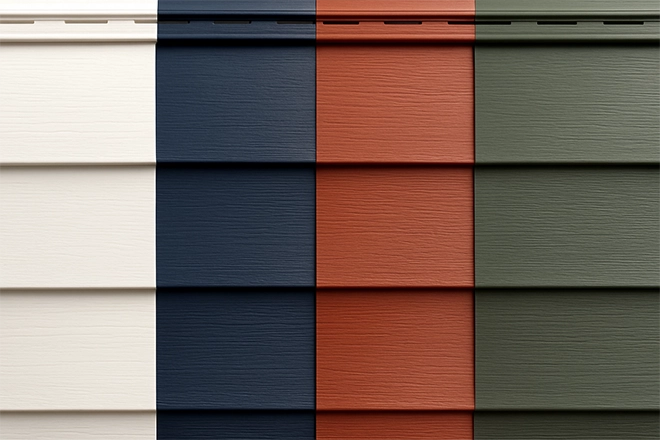
Most Popular Siding Colors Right Now
- White: Clean, timeless, works with any trim or accent.
- Gray: Modern neutral; ranges from soft to dramatic dark.
- Taupe/Beige: Warm, versatile, and fade-resistant.
- Navy Blue: Bold, stable, increasingly replacing black.
- Brick Red: Deep, rustic charm with long-lasting appeal.
- Sage/Olive Green: Earthy tones that blend with surroundings.
- Charcoal Black: Modern, edgy look with strong contrast.
Siding Color-Specific Highlights and Benefits
White Siding
White remains one of the safest and most stylish choices for homeowners who want a clean, simple look.
It adds brightness and can make even small homes feel larger and more open.
It also pairs easily with just about any roof color or trim style, so you don't have to overthink the rest of your palette.
While white does tend to show dirt and wear a little faster than other siding colors, it's easy to clean and maintain with light power washing every year or two.
If you want a timeless look that never goes out of style, white is a great choice.
Gray Siding
Gray has taken over as the top neutral in many neighborhoods, and it's not hard to see why.
It works across a wide range of architectural styles—from traditional to modern—and it pairs well with just about everything.
Lighter shades of gray feel airy and soft, while darker versions bring drama and contrast.
One reason people love gray vinyl siding is that it holds up well against the elements and hides dust better than pure white.
It's also a flexible base that lets you easily change up your door or trim color.
Taupe/Beige Siding
These warm neutrals are perfect if you want something that feels cozy and welcoming, much like the atmosphere around Lake Accotink Park.
Taupe blends the best of brown and gray tones, making it easy to match with wood accents, darker roofs, or warm-toned trim.
Many homeowners choose taupe when they want a siding color that can hide everyday wear while still offering a sense of beauty and structure.
Some siding products in this color family come with baked-on finishes that resist fading and cracking for over 15 years.
These shades offer a balance of comfort and confidence, helping your house feel rooted without fading into the background.
Navy Blue Siding
Navy is one of the most exciting, bold colors you can choose.
It's especially ideal if you want your home to feel grounded but not too dark.
Navy is striking when paired with crisp white trim or copper gutters, and it gives your home a sense of structure and intention.
One of navy's best features is that it adds curb appeal without being trendy or risky.
It has a natural way of standing out in the neighborhood without looking like you're trying too hard.
Just remember that navy, like other dark colors, can absorb more heat, so you'll want proper insulation and a siding product that resists warping in the sun.
Sage and Olive Green Siding
Green siding colors are perfect for homes that sit near trees, gardens, or woodsy backdrops.
Sage is especially popular because it feels soft, calming, and fresh without overwhelming the exterior.
Olive and moss greens have more depth and often feel like they're part of the landscape.
These colors work well with tan or stone features and feel right at home next to natural wood trim.
Green is also a smart pick for homeowners who want to bring a sense of balance to their home's exterior without going too bold or too basic.
Brick Red Siding
Brick red has come back in a big way, especially in areas where homeowners want a rich color that nods to history.
It adds warmth and makes your house feel rooted and cozy.
These deep reds often look best on homes with darker roofs, wood porches, or black shutters.
Because red can fade faster than other colors, it's smart to browse siding product lines that offer fade protection or cooling technology that reflects the heat of the NoVA summers.
Charcoal Black Siding
Black isn't for everyone, but when used correctly, it can completely transform a home's exterior.
Charcoal black offers a modern edge and can turn a simple house into something striking and bold.
It pairs well with light wood accents, minimalist trim, or even white windows for strong contrast.
One thing to keep in mind: black siding absorbs more sunlight than any other shade, so if you live in a hot or sunny region, be sure your siding is made to handle the heat.
Despite its higher maintenance, black can offer a stunning, designer-inspired finish that turns heads for all the right reasons.
Choosing a Siding Color That Works
Match Your Home's Architecture and Style
One of the fastest ways to narrow down your options is by using your home's architectural style as a guide.
Colonial and other traditional homes often look best with siding colors like white, cream, or taupe—shades that match the classic trim and window shapes found in these designs.
Cape Cod–style homes frequently use gray vinyl siding with navy shutters.
More modern styles lean toward darker palettes like charcoal, black, or bold blues.
When you pick a color that complements your home's design, you're not just boosting curb appeal—you're making sure your choice feels intentional.
A mismatched color might stand out for the wrong reasons. Even if a bright red siding color catches your eye in someone else's neighborhood, it might not suit your own style or lot.
Take the time to browse your own area and see what works on homes with similar shapes and features, like the varied Craftsman and Cape Cod exteriors near Lake Fairfax Park.
Consider Sun Exposure and Climate
The weather in your region plays a big role in how long your color will last and how it performs.
Lighter siding colors like tan, linen, and off-white do a better job reflecting sunlight, which helps reduce heat gain during hot summers. That's especially useful on west-facing walls that take a beating from the afternoon sun.
It also means you'll save a little on cooling costs and reduce the chances of warping or bubbling over time.
Darker shades—like navy or charcoal—absorb more heat, so if your house doesn't have good insulation or ventilation, you might see higher energy bills or faster color fading.
That's why choosing a product line with built-in UV protection is so important.
Some vinyl siding products are designed with reflective coatings or fade-resistant finishes that extend the life of darker colors.
Balance With Trim and Accent Features
Siding color doesn't stand alone.
You need to think about how it works with your trim, doors, windows, and other exterior features.
- A popular combo is blue siding with white trim and black shutters—it feels nautical and crisp without being too trendy.
- Gray vinyl siding gives you lots of room to play with trim accents like soft green, off-white, or even subtle bronze tones.
- If you're leaning toward taupe or khaki siding, you can dress it up with a classic white trim or tone it down with a charcoal border.
- Red siding looks great with beige or brown trim, especially when you want a rustic vibe.
- If you're aiming for something bold like navy or charcoal black, pairing it with copper, light yellow, or light gray trim can soften the look and add balance.
Color combinations create mood, and picking the right pair of tones helps ensure your home's exterior looks intentional and well-crafted.
Siding Performance and Maintenance by Color Type
Lighter Siding Colors
Lighter shades like white, cream, tan, or linen have a few practical benefits beyond style.
They reflect more sunlight, which helps regulate indoor temperatures and prevent heat buildup on your home's exterior during bright afternoons. This can lead to lower energy bills during the summer months and reduce wear on the siding material itself.
While lighter vinyl siding might need more frequent cleaning to maintain its brightness, it tends to age more gracefully than darker tones when it comes to fading.
These colors are often favored for homes in sunnier regions or areas with high pollen levels because dust and debris are easier to spot and clean early.
Darker Siding Colors
Dark siding can deliver bold contrast and serious curb appeal, but it does come with trade-offs.
Darker shades absorb more heat, which can speed up fading or cause expansion and contraction if the product isn't designed to handle those temperature swings. That's why it's so important to choose siding products with UV resistance, heat-reflective technology, or built-in cooling pigments.
If you're set on charcoal, navy, or deep red, consider investing in high-performance vinyl siding with advanced finishes and proper insulation behind it.
Siding Maintenance Schedules
No matter what color you choose, the long-term beauty of your siding depends on how well you care for it.
- Spring: Give your home's exterior a full inspection—check for cracks, water stains, or peeling, and remove any pollen or debris buildup.
- Summer: Especially if you have darker colors, think about adding a UV-reflective coating or testing for mildew in areas with high humidity.
- Fall: It's a good idea to clean out the gutters, brush off any leaf buildup, and make sure rainwater flows properly down and away from your siding.
An annual light power wash and trim check helps keep your exterior looking fresh and prevents small problems from turning into big ones.
When to Replace Vinyl Siding (Color-Related Triggers)
Sometimes the problem isn't the color itself—it's that your siding no longer holds up or matches the look you want for your home.
If your siding has faded so much that it looks patchy or discolored in certain areas, that's a clear sign it might be time to replace it.
Paint touch-ups on vinyl siding aren't always recommended.
If your product line has been discontinued, it can be hard to find exact color matches for replacements.
You might also be ready for a change if your trim, shutters, or roof have been updated and the old siding color no longer fits. This is especially true for older homes that still have beige or tan tones that feel outdated next to newer windows or modern roofing styles.
Even if your siding is still functional, replacing it for style reasons can give your home new life and help it stand out for all the right reasons.
Bring Out Your Home's True Colors With Clifton Exteriors
Whether you want timeless neutrals or rich colors that stand out, Clifton Exteriors can help you find siding colors that fit your home's exterior and personality. Our team works with high-quality vinyl siding products designed to last, giving your home style and strength in equal measure.
If you're ready to refresh your home's exterior with a color you'll love for years to come, fill out our contact form today or give us a call. Let's bring your vision to life with siding that adds beauty, value, and lasting confidence.
Frequently Asked Questions
What is the best siding color for my home?
Choose the best siding color by matching it to your home's architectural style, sun exposure, and trim. Select colors that enhance curb appeal, improve material longevity, and increase long-term value. Use light shades for hot climates and darker shades for colder regions.
What is the difference between neutral vs bold siding colors when it comes to longevity and maintenance?
The main difference between neutral and bold siding colors is that neutral colors like tan or gray resist fading and hide wear better, while bold colors like navy absorb more heat, require stronger materials, and demand more frequent upkeep.
Can I mix more than one siding color on my home's exterior?
Mix up to three siding colors by combining a main color with one or two accent hues. Ensure contrast between siding and trim, and use colors that match your home's style to maintain a cohesive and clean exterior design.