What Works and What Warps: The Home Siding Types You Can Trust
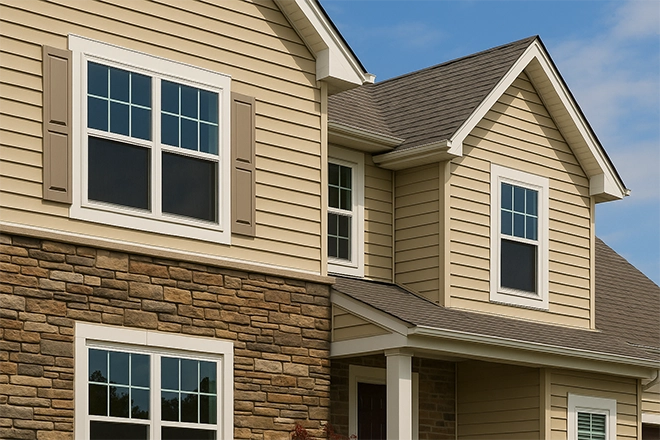
A Side-by-Side Look
What kind of siding lasts in Virginia's stormy summers and soggy winters? And how do you choose the right material without second-guessing your budget or long-term plans?
This post breaks down the most common types of siding, comparing their durability, maintenance needs, cost, energy efficiency, and curb appeal.
By the end, you'll know which siding fits your siding replacement venture—so you can upgrade with total confidence.
What Are the Different Types of Siding for Homes?
- Vinyl Siding
- Insulated Vinyl Siding
- Fiber Cement Siding
- Engineered Wood Siding
- Natural Wood Siding
- Stone Veneer
- Faux Wood Siding
- Brick
- Metal Siding
- Wood Composite Siding
- Everlast Composite Siding
Comparison of Home Siding Types
- Vinyl Siding: Good durability, very low maintenance, $–$$ cost, fair energy efficiency. Best for budget-friendly full replacements.
- Insulated Vinyl Siding: Good durability, low maintenance, $$ cost, good energy efficiency. Best for improved energy efficiency.
- Fiber Cement Siding: Excellent durability, low maintenance, $$–$$$ cost, moderate energy efficiency (with wrap). Best for long-term performance and style.
- Engineered Wood Siding: Very good durability, low–moderate maintenance, $$–$$$ cost, moderate energy efficiency. Best for wood-like appearance with less upkeep.
- Natural Wood Siding: Moderate durability, high maintenance, $$–$$$ cost, moderate energy efficiency. Best for historic or rustic visual appeal.
- Stone Veneer Siding: Very good durability, very low maintenance, $$$ cost, moderate energy efficiency. Best for high-end accents and curb appeal.
- Faux Wood Siding: Good durability, low maintenance, $$–$$$ cost, moderate energy efficiency. Best for wood look in tough climates.
- Brick Siding: Excellent durability, very low maintenance, $$$ cost, excellent energy efficiency. Best for timeless design and fire resistance.
- Metal Siding: Very good durability, low maintenance, $$ cost, moderate energy efficiency. Best for harsh weather and fire resistance.
- Wood Composite Siding: Fair durability, moderate maintenance, $–$$ cost, low energy efficiency. Best for budget wood alternatives.
- Everlast Composite Siding: Excellent durability, very low maintenance, $$$ cost, good energy efficiency. Best for lifetime performance with no upkeep.
Why Vinyl and Fiber Cement Are the Best Siding Choices for Northern Virginia Homes
When it comes to siding that stands up to Northern Virginia's unpredictable weather, vinyl and fiber cement consistently outperform the rest.
From humid summers and heavy rain to frigid winter snaps and gusty fall storms, these two materials offer the kind of resilience and reliability local homeowners need—without blowing the budget or demanding constant upkeep.
Vinyl siding is especially well-suited for neighborhoods with shaded lots and tree cover, where moisture buildup and insects can wreak havoc on natural wood. It resists rot, never needs painting, and stays looking clean with just a rinse from a garden hose.
Fiber cement siding thrives in NoVA's temperature swings, resisting warping, cracking, and insect damage even during wet springs or freeze-thaw cycles. It's perfect for homeowners who want a more high-end appearance with the strength to match.
Together, they offer low maintenance, strong performance, and design flexibility—making them the smartest siding investments in the region.
How do you know it's time to replace your siding?
Vinyl Siding
Vinyl siding is made from polyvinyl chloride (PVC) and is one of the most popular types of siding in the U.S. It's lightweight, easy to install, and comes in a wide range of styles, including lap siding, vertical panels, and shakes.
Many homeowners choose vinyl because it's budget-friendly and doesn't require regular painting or sealing. It performs well in most climates but may not hold up as well under high winds or heavy impact.
Pros
- Low maintenance and never needs painting.
- Very affordable compared to other siding materials.
- Available in many colors and styles.
- Resistant to moisture, rot, and pests.
Cons
- It can crack or warp under extreme temperatures.
- May fade or become brittle over time.
- Lower impact resistance than other materials.
- Poor insulation without added backing.
Insulated Vinyl Siding
Insulated vinyl siding is similar to standard vinyl but has a layer of rigid foam insulation bonded to the back. This upgrade improves energy efficiency and makes the panels sturdier and more resistant to warping or impact.
It's a great option for boosting your home's thermal envelope without investing in a full wall re-insulation. Like regular vinyl, it's a low-maintenance option, but it costs more upfront and is heavier to install.
Pros
- Improves energy efficiency and indoor temperatures.
- Adds durability and structural strength to vinyl siding.
- Still low maintenance and visually appealing.
- Helps reduce outside noise.
Cons
- Higher cost than standard vinyl siding.
- It can be more difficult to install.
- Limited flexibility during extreme temperature swings.
- Still less durable than fiber cement or engineered wood.
Fiber Cement Siding
Fiber cement siding is a blend of Portland cement, sand, and wood fibers that creates a heavy, durable panel resistant to fire, moisture, and pests. It mimics the look of traditional wood siding, stucco, or even stone, making it a great choice for homeowners who want durability without sacrificing curb appeal.
It stands up well to harsh weather and temperature changes, making it one of the most popular choices in climates like Virginia. While it costs more and takes longer to install, the payoff is long-term value and low maintenance.
Pros
- Extremely durable and long-lasting.
- Fire-resistant
- Impervious to pests and moisture.
- Versatile appearance options with excellent curb appeal.
- Holds paint well for long-lasting color.
Cons
- Heavier and harder to install than vinyl.
- Costs more upfront.
- Requires periodic repainting for appearance upkeep.
- Lower insulation value unless installed with thermal wrap.
Engineered Wood Siding
Engineered wood siding is made from wood fibers bonded with resins and treated to resist rot, moisture, and insects. It gives you the warm, authentic appearance of wood siding with better durability and fewer maintenance demands.
Available in styles like lap siding, cedar shake, and board and batten, it's often chosen by homeowners who want a wood look without the downsides of natural wood. With proper care, it can last 20 to 30 years and is often backed by long warranties.
Pros
- Looks like real wood without high maintenance.
- Treated for moisture and pest resistance.
- Easier to install than fiber cement.
- Can be painted or stained.
Cons
- Vulnerable to water damage if not sealed properly.
- Requires repainting or sealing over time.
- Not as fire-resistant as fiber cement or metal siding.
- Higher cost than vinyl siding.
Natural Wood Siding
Natural wood siding, like cedar shakes or wood shingles, offers unmatched natural beauty and charm. It's one of the most traditional siding materials and fits perfectly with Craftsman, rustic, and farmhouse-style homes.
While wood siding can be stunning, it requires consistent maintenance—especially in humid climates—to avoid warping, rot, and insect damage. Homeowners who choose this siding do so for the look and are typically prepared for regular upkeep—especially in areas where spring pollen and summer humidity hit hard after festivals like Taste of Annandale.
Pros
- Rich, timeless appearance.
- It can be customized with stains or paint.
- Works with many architectural styles.
- Renewable and biodegradable.
Cons
- High maintenance; needs sealing and repainting.
- Prone to rot, termites, and warping.
- Less durable in harsh weather.
- Shorter lifespan without proper care.
Stone Veneer
Stone veneer siding replicates the look of natural stone but is lighter, easier to install, and more affordable. It's made from cement-based materials that are molded and colored to look like real stone, and it's commonly used for accent walls, foundations, and entryways.
While it doesn't offer the full durability of natural stone, it holds up well when installed correctly and provides a big visual upgrade with little maintenance. It's a great way to boost curb appeal without the weight or price tag of real stone.
Pros
- Adds high-end curb appeal.
- Lighter and easier to install than natural stone.
- Weather and moisture-resistant.
- Ideal for accent areas.
Cons
- Not as durable as full-thickness stone.
- Requires skilled installation to prevent moisture problems.
- It can be expensive when used on full facades.
- Limited flexibility once installed.
Faux Wood Siding
Faux wood siding uses synthetic materials like fiber cement or composite resin to replicate the grain and texture of real wood. It's ideal for homeowners who want the natural look without the maintenance challenges of traditional wood siding.
Faux wood siding resists rot, insects, and moisture while still offering a variety of stains and styles that mimic lap siding or cedar shakes. This material is especially popular in neighborhoods where the unpredictable fall storms after the Burke Centre Festival can do a number on traditional wood siding.
Pros
- Realistic wood look with better weather performance.
- Won't rot, warp, or attract pests.
- Great for accents or full exterior coverage.
- Lower maintenance than natural wood.
Cons
- Higher cost than vinyl.
- Some products may fade with long-term sun exposure.
- Not recyclable in all forms.
- Limited color customization once manufactured.
Brick Siding
Brick siding is one of the oldest and most durable cladding types still in use today. It's made from clay and shale and is fired at high temperatures to create solid, long-lasting bricks.
Brick siding is known for its fire resistance, temperature stability, and extremely low maintenance. It's also heavy and labor-intensive, which makes it a higher-cost option that's typically used for full facades rather than accents.
Pros
- Extremely durable and long-lasting.
- Fire-resistant.
- Great for indoor temperature control
- Very low maintenance.
- Provides a timeless, classic look.
Cons
- Very heavy and requires strong structural support.
- High installation cost.
- Limited color and design options.
- Mortar joints may require occasional repair.
Metal Siding
Metal siding includes both aluminum siding and steel siding, both known for their durability and resistance to the elements. Aluminum siding is lightweight and rust-resistant, while steel is stronger and more dent-resistant but may corrode if not properly coated.
Both are fire-resistant and great choices for harsh weather, especially in contemporary homes near D.C., where storm winds from the Potomac corridor can surprise you. They require minimal upkeep and can last over 40 years when maintained properly.
Pros
- Long-lasting.
- Low maintenance.
- Fire-resistant.
- Impervious to pests.
- Ideal for extreme climates and high winds.
- Recyclable and environmentally friendly.
Cons
- Steel can rust without a protective coating.
- Aluminum dents easily.
- Limited style and color variety.
- It can be noisy during storms.
Wood Composite Siding
Wood composite siding is made by compressing wood fibers with binding agents to form panels that mimic wood. It's usually pre-primed or finished to resemble traditional lap or shingle siding, offering a balance between affordability and appearance.
While it performs better than untreated wood, it's still susceptible to moisture if not sealed or maintained properly. It's a budget-conscious option for those who want a wood look without the full cost of natural or engineered wood.
Pros
- Lower cost than real wood or fiber cement.
- Can be painted or stained.
- Mimics the look of wood.
- Lighter and easier to handle during installation.
Cons
- Prone to moisture issues if not sealed well.
- Needs regular maintenance and inspection.
- Shorter lifespan than higher-end options.
- It can harbor mold or mildew in wet climates.
Everlast Composite Siding
Everlast composite siding is a premium cladding made from a mix of crushed rock and polymer resins. It's completely free of wood fibers, so it won't absorb moisture or swell, even in extreme humidity.
This makes it one of the most durable and low-maintenance options on the market. It comes in a limited but attractive selection of colors and is designed to never need painting, caulking, or sealing.
Pros
- Extremely durable.
- Moisture-proof.
- No wood fibers means no rot or swelling.
- Lifetime performance with minimal upkeep.
- Doesn't require painting or caulking.
Cons
- One of the most expensive siding options.
- Limited style and color availability.
- Heavy material requires professional installation.
- Less known brand recognition than fiber cement or vinyl.
What Siding to Avoid in Certain Climates
Traditional Wood Siding
Traditional wood siding may look great, but it's not always the best choice for Virginia's high humidity and seasonal shifts.
It tends to absorb moisture, which leads to peeling paint, warping, and mold growth. Without regular maintenance, these issues can spread quickly and become costly to fix.
Many homeowners opt for engineered wood or fiber cement as an alternative that still delivers a wood look with far less upkeep.
Untreated Metal Siding
While metal siding can be a strong performer, not all types have the same strengths.
Steel siding is sturdy and long-lasting, but untreated panels may rust when exposed to frequent rain or standing water.
Aluminum siding avoids rust issues but can dent easily and fade over time without a high-quality material finish.
If you're going with metal, make sure it's properly treated and installed to resist the local climate.
Who in NoVA can you trust to replace your siding?
From Vinyl to Veneer: Clifton Exteriors Knows the Best Fit
Clifton Exteriors helps homeowners make smart, confident choices by offering expert siding installation tailored to Virginia's climate. Whether you're after energy efficiency, low maintenance, or eye-catching curb appeal, we know which siding types will deliver.
We'll walk you through all your options and make sure your home's exterior looks great and lasts. To get started, fill out our contact form today or give us a call.
Frequently Asked Questions
What types of siding offer the best fire resistance?
Fiber cement siding is inherently fire resistant because it contains cement and mineral fibers, which do not ignite. Also, many modern siding choices include fire-resistive cladding or panels that comply with fire safety codes.
How long does siding installation usually take?
A full siding replacement with tear-off and installation generally takes between 7 to 14 days, depending on weather, home size, and any unexpected repairs.
Can I install new siding over existing siding?
In some cases you can, but it depends on weight, condition of underlying structure, and building codes. You may need to remove old siding first to inspect for moisture damage or structural issues before layering new material.