Window Warranties: Options And What To Know For Fairfax, VA, Homeowners
Are you considering new windows for your home but confused about the warranties? Do you want to ensure your investment is protected but don't know what to look for?
In this post, you'll learn the essentials of window warranties, including the different types, what they cover, and what to watch out for.
By the end of this article, you'll have the knowledge to confidently choose the best warranty for your Fairfax window replacement project.
What Is A Window Warranty?
A window warranty is a written guarantee provided by the window manufacturer or installer, promising to repair or replace defective parts or products within a specified period. These warranties cover different aspects, such as materials, workmanship, and even labor, depending on the terms set by the manufacturer.
Key Components Covered By Window Warranties
- Materials: Coverage for the window frame and other structural components.
- Defects: Protection against manufacturing defects like inconsistent color or structural flaws.
- Hardware: Coverage for malfunctioning locks, latches, and hinges.
- Energy-Efficient Glass: Includes protection for gas leakage and vision obstructions within the glass panes.
- Installation: Covers errors made by licensed contractors during the installation process.
Types Of Replacement Window Warranties
Limited Lifetime Warranties
Limited lifetime warranties are the most common type of warranty for replacement windows.
These warranties typically cover defects in materials and workmanship but may exclude certain components, such as glass breakage or installation issues.
The term "lifetime" in window warranties can be misleading. It does not always mean the actual lifetime of the product. Instead, it refers to the period that the manufacturer expects the window to perform optimally.
The main advantage of a limited lifetime warranty is that it provides a balance between coverage and cost, making it a popular choice among homeowners.
Pros:
- Cost-effective for basic coverage
- Commonly offered by many window manufacturers
- Covers defects in materials and workmanship
- Suitable for homeowners looking for affordable options
Cons:
- Limited in scope and duration
- May not cover labor or installation issues
- Often excludes certain components like glass breakage
Lifetime Warranties
Lifetime warranties offer more comprehensive coverage than limited lifetime warranties.
A true lifetime warranty generally includes all parts of the window, from the frame to the glass and hardware, for as long as the original purchaser owns the home.
Some companies even offer a transferable warranty, which can add value when you sell your home.
Pros:
- Comprehensive coverage for peace of mind
- Includes parts, labor, and installation
- Adds resale value to your home
- Often provides long-term protection, reducing future costs
Cons:
- Higher initial cost
- Terms can vary widely between manufacturers
- Some manufacturers might have stricter conditions for claims
Prorated Warranties
Prorated warranties decrease in value over time.
As the window ages, the coverage percentage decreases, meaning homeowners will pay more out of pocket for repairs or replacements. This type of warranty can be less beneficial in the long term, especially for older homes.
Pros:
- Lower initial cost
- Provides some level of coverage over time
- Useful for short-term protection
Cons:
- Coverage decreases over time
- Higher out-of-pocket expenses as the window ages
- Less beneficial for long-term homeowners
Double Lifetime Warranties
Double lifetime warranties provide coverage not only for the original homeowner but also for a subsequent homeowner. This type of warranty is an excellent selling point, adding significant value to your property.
Pros:
- Extended coverage for multiple owners
- Enhances property resale value
- Comprehensive protection for as long as the home is owned
Cons:
- Typically, it is more expensive upfront
- Might have complex transfer conditions
- Could require proof of maintenance to remain valid
Transferable Warranties
Transferable warranties can be passed on to a new homeowner, providing continued protection for the replacement windows. This feature is particularly attractive in the real estate market, as it assures potential buyers of ongoing coverage.
Pros:
- Increases the attractiveness of your property
- Provides peace of mind for new owners
- Can enhance the home's market value
Cons:
- The transfer process might require additional steps
- Could involve inspection fees
- Some warranties may have limitations on what can be transferred
Coverage Details In Window Warranties
Materials Coverage: Window warranties typically cover materials like vinyl, wood, and aluminum for a set period. For example, vinyl windows might be guaranteed to last without significant wear and tear for up to 20 years.
Defects Coverage: Manufacturing defects such as inconsistent color or structural flaws are usually covered under a warranty. It's important to identify and report these defects early to ensure they are addressed promptly.
Hardware Coverage: Warranties often include coverage for window hardware, such as locks, latches, and hinges. If any hardware components malfunction or break, they should be replaced or repaired under the warranty.
Energy-Efficient Glass Coverage: Energy-efficient windows often contain gases like argon or krypton between the panes. If these gases leak or if there is an obstruction in the dead air space that affects visibility, the warranty should cover repairs or replacements.
Installation Coverage: Professional installation is crucial for the performance of your windows. Many warranties include coverage for contractor errors. However, attempting to replace windows yourself can void the warranty.
Custom Options Coverage: If you choose custom options like etched glass or unique grid patterns, make sure your warranty covers these features. Custom options can be more expensive to repair or replace.
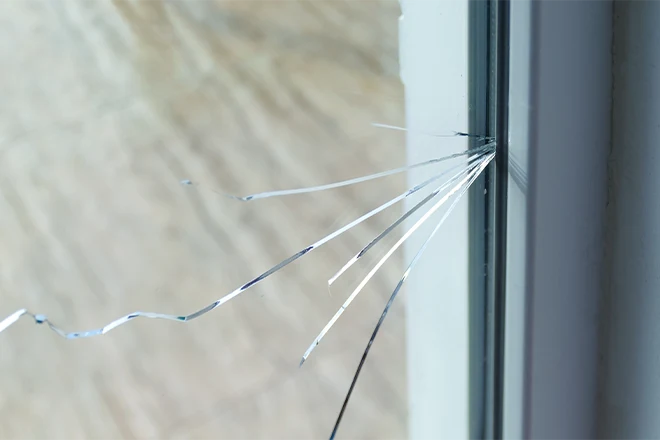
Glass Breakage Coverage: Some warranties cover accidental glass breakage. This coverage can save homeowners from the high costs of replacing broken panes.
Common Exclusions And Loopholes In Window Warranties
Typical Exclusions
Exclusions might include damages caused by natural disasters like floods or hurricanes, house settling, and structural issues unrelated to the window itself.
Additionally, neglect or improper maintenance of windows can void your warranty.
Understanding these exclusions helps you manage your expectations and avoid scenarios where you might have to pay for repairs out of pocket. For instance, if you live near a coastal area, the salt air might not be covered under your window warranty, so it's essential to check the fine print.
Actions That Void Warranties
Certain actions can void your window warranties.
DIY repairs, using unapproved aftermarket parts, or making structural modifications to the window can all result in losing warranty coverage. For example, painting the window frame or altering its structure can lead to voiding the warranty.
Always consult your window manufacturer before making any changes to ensure you don't invalidate your coverage.
Questions to Ask When Reviewing Window Warranties
How Long Does The Warranty Last?
Knowing how long your window warranty lasts is crucial.
Typical warranty lengths range from a few years to a lifetime, depending on the window manufacturer and window brand.
Ask your contractor or manufacturer how the warranty length affects different components of the window, such as the frame, glass, and hardware. This information is vital for ensuring long-term protection for your replacement windows.
What Exactly Is Covered?
Ask detailed questions about the coverage of parts, labor, and installation. For instance, does the warranty cover accidental glass breakage or only manufacturing defects?
Clarifying these details ensures you know what to expect and helps you avoid unexpected costs. For example, knowing that your warranty covers the installation process can provide peace of mind if any issues arise due to contractor errors.
Are There Any Service Fees?
Ask about any potential fees associated with warranty claims. These fees can vary and might include charges for labor or specific parts.
Understanding the fee structure allows you to budget accordingly and compare the costs of different warranty options. Even if there are service fees, they are often lower than the cost of full repairs or replacements without a warranty.
Is the Warranty Transferable?
For homeowners planning to sell their homes, knowing if the warranty is transferable is crucial.
A transferable warranty can add value to your property and attract potential buyers. Check the conditions for transferring the warranty to a subsequent homeowner.
Making A Window Warranty Claim
Registering Your Warranty
The first step in making a window warranty claim is registering your warranty with the manufacturer.
This process typically involves filling out a form with your contact information and details about your purchase. Proper registration ensures that your warranty is activated and valid.
Ensure you keep all warranty documents in a safe place and follow the manufacturer's instructions for registration.
Claim Process
Contact the warranty service department of the company that provides the coverage. Be prepared to provide details about the issue and proof of purchase.
Keep a record of all communications and follow up regularly to ensure your claim is processed promptly.
Evaluating The Value Of Lifetime Warranty Coverage
Comprehensive Coverage
A lifetime warranty offers extensive protection for your windows, covering materials, labor, and installation. This type of coverage ensures that any common issues, such as broken glass or seal failures, are addressed without additional costs.
Long-Term Financial Benefits
The financial benefits of a lifetime warranty are significant. It protects against the rising costs of repairs and replacements, ensuring you don't have to pay out of pocket for covered issues.
Investing in a lifetime warranty can save you money over the years.
Added Home Value
A transferable lifetime warranty can enhance your home's resale value. Potential buyers are more likely to be interested in a property with a guaranteed warranty that they can benefit from.
This added value makes your home more attractive on the market and provides assurance to future homeowners.
Trust The Company Behind The Warranty With Clifton Exteriors
Clifton Exteriors ensures that Fairfax, VA, homeowners get the best window replacement warranties tailored to their needs. With expert installation and comprehensive coverage, your investment is well-protected.
Ensure peace of mind and long-term savings by partnering with us for your window replacement projects. Don't wait—fill out our contact form today or give us a call to secure top-notch window warranties for your home.