Your Hardie Siding Isn't Moisture Safe with an Inexperienced Installer
When Fiber Cement Fights the Forecast
Ever wondered how water can sneak behind your Hardie siding and cause a full-on home headache? Or how can a premium siding product still end up with issues like swelling, cracking, or peeling paint?
In this post, you'll learn how moisture problems happen with Hardie siding, what causes them, and how to avoid expensive repairs.
By the end, you'll know how to protect your siding investment with smart installation, regular maintenance, and a few local-savvy precautions that work year-round.
What Are the Moisture Problems With Hardie Siding?
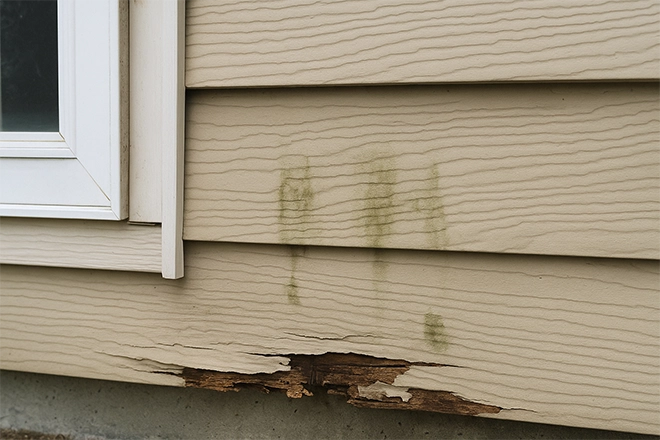
Moisture problems with Hardie siding include swelling, warping, and peeling paint caused by water absorption through cracks, gaps, or damage. Over time, trapped moisture can lead to mold, rot, and structural damage. These issues often go unnoticed, so proper installation and regular inspections are critical.
- Swelling or warping of boards.
- Paint peeling, blistering, or cracking.
- Mold, rot, or mildew forming behind panels.
- Structural damage to the home if water seeps into the wall cavity.
What Causes Moisture Problems in Hardie Siding?
Improper Installation
Improper installation is one of the biggest reasons many homeowners run into moisture problems with Hardie siding.
Skipping key steps like using flashing, sealing butt joints, or following James Hardie's guidelines for fastener placement often leaves small vulnerabilities that allow moisture to creep in.
Siding boards must be spaced properly, with correct gaps and sealing in areas prone to rain exposure.
When installing James Hardie siding, even a quarter-inch of misalignment can lead to warping, peeling paint, and eventually mold growth inside the wall cavity.
This is why hiring experienced local siding professionals familiar with James Hardie siding installation is so important.
Inadequate Flashing or Caulking
Flashing is what protects areas around windows, doors, and corners from water infiltration.
If it's missing or poorly installed, water can work its way behind the siding and sit in areas that don't dry easily.
Similarly, caulking around seams and trim needs to be done cleanly and with the right products to prevent cracks and separation. Uneven, excessive, or deteriorated caulk can actually trap moisture and make the problem worse.
These failures often show up first as bubbled paint, mildew odors, or swelling boards, and if left unchecked, can escalate into serious moisture damage behind the exterior surface.
Incorrect Nailing
Hardie siding is tough, but nails driven at the wrong depth or angle can cause hidden weaknesses.
Nails driven too deeply might fracture the board's edge, while shallow nails leave panels unstable and vulnerable to movement during storms or temperature changes.
Over time, these small shifts can break caulk seals or create hairline cracks where moisture can sneak in.
This is especially important in areas where temperature fluctuations are common.
Nail placement, spacing, and type should all follow proper installation methods, especially when working with fiber cement materials.
Poor Jobsite Prep
Before any siding installation begins, the work area needs to be prepped to ensure a dry, solid foundation.
That means checking for damaged sheathing, sealing up existing cracks, and making sure the walls are free from moisture or mold.
Installing fiber cement siding over a compromised wall surface is like painting over a leak—it only hides the problem for a little while.
Even if the siding looks good at first, moisture will continue to spread behind the panels, eventually leading to visible signs like warped boards, bubbling paint, or fungal stains.
DIY or Inexperienced Crews
Installing James Hardie products is not the same as working with vinyl or wood siding.
The weight of fiber cement, the cutting techniques required, and the attention to flashing and caulking all demand specific training.
Many homeowners try to save money by hiring generic contractors or handymen who aren't certified for Hardie installs, but this often backfires.
Inexperienced crews may overlook crucial steps like proper gap spacing or flashing around windows, which increases the risk of long-term moisture issues.
In the end, cutting corners on labor usually leads to more issues, more repairs, and less protection for your home.
It all comes down to an improper installation. We follow all Hardie best-practice guidelines for weather barriers, flashing, and fastener spacing.
How Can You Prevent Moisture Damage With Hardie Siding?
Follow Manufacturer Guidelines
James Hardie provides specific instructions for every part of the installation process, from how to store materials to nail placement and caulking types.
Ignoring these guidelines leads to common problems homeowners face, voids warranties, and leaves your siding vulnerable to damage.
Proper installation ensures the panels can handle wind, rain, and expansion due to temperature changes, especially in waterfront neighborhoods near the Torpedo Factory Art Center, where breezes meet the Potomac's moisture.
Following James Hardie's guidelines also protects your home's curb appeal by keeping gaps tight, corners sealed, and edges aligned.
Use the Right Underlayment
Behind every successful siding project is a water-resistant barrier that protects the home from unseen leaks.
For fiber cement siding, the underlayment needs to allow breathability while still shedding water effectively. If the material holds moisture or breaks down over time, it won't provide the protection needed.
A proper moisture barrier helps prevent water damage from working its way into the wall cavity and keeps the structure dry year-round.
Choosing a poor-quality or incompatible underlayment creates hidden problems that may take years to show up but are expensive to fix once they do.
Apply Permanent Caulk
Caulking helps seal small gaps between boards, around trim, and in other areas where water might try to get in.
But not all caulks are created equal.
Over time, cheap or incorrectly applied caulk breaks down, allowing water infiltration and promoting mold growth.
Using high-quality, permanent caulking that adheres well to fiber cement helps prevent water from entering high-risk zones.
Be sure to monitor caulked areas every few years and replace any cracked or failing lines to maintain the siding's integrity and appearance.
Maintain Your Gutter System
Even the best James Hardie siding can fail if water is constantly being dumped on it from clogged or broken gutters.
A reliable gutter system directs rainwater away from the house, preventing excessive moisture from sitting on siding panels and working its way into seams.
Gutter overflows, ice dams, or blocked downspouts can saturate your exterior, especially near rooflines and trim.
Cleaning your gutters regularly and making sure they're pitched correctly is a key part of moisture management.
Schedule Annual Inspections
Many homeowners assume siding is "set and forget," but annual inspections catch the small stuff before it becomes a disaster.
Look for signs of peeling paint, mold growth, cracks, or swelling—especially in shady or damp parts of the house.
Having a pro check for soft spots, nail movement, or sealant breakdown gives you a chance to make small repairs that protect the larger system.
Frequent maintenance may sound like a hassle, but it's far less costly than ripping out panels due to hidden rot or mildew.
And let's not forget that hiring an experienced Hardie installer (like Clifton Exteriors) can help prevent moisture damage.
Related Risks That Can Worsen Moisture Damage
Long Drying Time of Fiber Cement
Fiber cement takes longer to dry than many other siding materials.
When the panels are exposed to rain or high humidity during installation or for long periods—like during summer storms over Bull Run Regional Park—they can absorb water and retain it longer. This leads to prolonged exposure to moisture behind the siding, increasing the risk of swelling, cracking, and eventual mold formation.
That's why it's important to keep fiber cement boards dry on-site and install them during favorable weather when possible.
Poor Energy Efficiency
While Hardie siding has great fire resistance and long-term durability, it doesn't insulate as well as other materials.
This means outdoor temperature changes can more easily affect your indoor comfort, which may increase heating and cooling expenses.
Without extra insulation beneath the panels or behind the walls, your home could feel drafty or cost more to keep comfortable.
Some homeowners offset this by pairing James Hardie siding with upgraded doors, windows, or insulated sheathing for better overall energy performance.
Silica Dust During Installation
Cutting fiber cement releases fine silica dust, which is hazardous to inhale.
This dust can lead to serious respiratory problems over time.
Professionals use special cutting tools, wet saws, and masks to reduce exposure, but DIYers often skip these steps.
If you're considering installing James Hardie siding yourself, you need to take those health risks seriously.
Using proper safety gear and tools protects not just your siding's finish but also your lungs.
Other Potential Problems with Hardie Siding
- Dirt buildup on the surface can dull the finish and trap moisture if not cleaned regularly.
- Its heavy weight makes it harder to install and more demanding on labor and structural framing.
- Silica dust released during cutting poses serious health risks without proper protective gear.
- Lower energy efficiency compared to insulated siding materials, potentially increasing heating and cooling expenses.
- Batch inconsistencies in texture or color can lead to visible differences if all boards aren't purchased at once.
- Paint fades over time, requiring repainting every 10–15 years to maintain appearance.
- Installation complexity means a higher risk of performance issues when installed by inexperienced crews.
Is Hardie Siding Still Worth It?
Hardie siding is still worth it due to its 25–30 year lifespan, superior resistance to fire, pests, and weather, and long-term savings on repairs. Although it costs up to 20% more than vinyl, its durability, low maintenance, and curb appeal provide lasting value for homeowners planning to stay long-term.
More home siding types to choose from.
Stay on the Smart Side with the Pros at Clifton Exteriors
Moisture problems with Hardie siding don't have to be part of your homeownership story when you work with Clifton Exteriors. Our experienced team knows how to install James Hardie siding the right way, with the proper flashing, caulking, and details that protect your home from the start.
If you want fiber cement siding that performs like it should and looks great for decades, we're here to help. Fill out our contact form today or give us a call.
Frequently Asked Questions
What are the cost implications of replacing damaged siding versus repairing it?
Replace damaged Hardie siding when moisture issues stem from installation flaws, as repeated repairs become more expensive over time. Repair only if damage is isolated. Full replacement prevents escalating failures and offers better long-term value.
How do I know if water has gotten behind my siding boards?
Identify moisture behind siding by checking for peeling paint, mildew at seams, or soft, discolored sheathing. These signs indicate water intrusion and require immediate inspection to prevent structural damage.
Can I install Hardie siding over my existing vinyl siding?
Install Hardie siding over vinyl only if the substrate is sound, structural fastening is secure, and weight clearance is addressed. Skipping these checks can cause gaps, poor performance, and future moisture damage.