Which of These Siding Colors Matches Your Vibe?
Key Points
- Neutral and earthy siding colors remain the most popular because they adapt easily to changing trends and complement diverse architectural styles.
- Light-colored vinyl siding can improve energy efficiency by reflecting heat and keeping homes cooler during summer months.
- Modern siding materials use UV-resistant coatings to preserve color vibrancy and protect against fading or weather damage.
Turning Color Into Curb Appeal
Ever wonder why some homes stand out even on a cloudy day? Or how the right siding color can make your exterior feel fresh, modern, or timeless without touching the layout?
In this post, you'll learn which vinyl siding colors are most popular in Virginia, which shades are trending nationwide, and how to choose the perfect match for your home's size, lighting, and style.
By the end, you'll know how to pick a siding color that boosts curb appeal for your siding installation, whether your home faces the wooded paths near Lake Accotink Park or the open lots around Burke Centre.
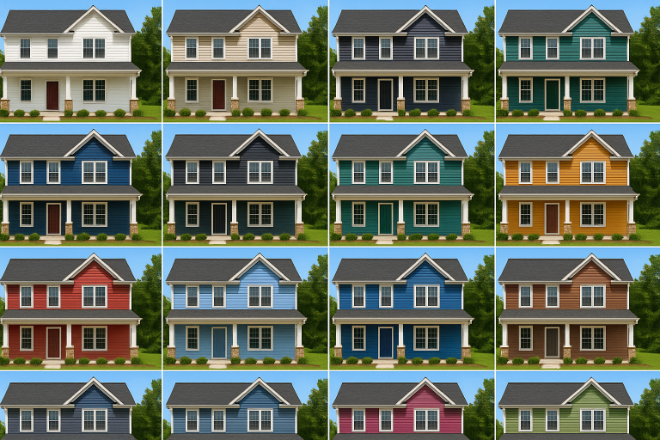
Top Vinyl Siding Colors in Virginia
- Weathered Gray
- Colonial Cream
- Soft Beige
- Deep Navy Blue
- Coastal Blue
- Earthy Browns (Brown, Tan, Beige)
- Creamy Yellow
- Olive Green
- Rich Red
- Brick Red
- Charcoal Gray
- Sage Green
- Taupe
- Windswept Smoke
- Vivid Royal Blue
1. Weathered Gray
Weathered gray is one of the most popular vinyl siding colors in Virginia for good reason.
This neutral shade looks timeless and handles the area's changing weather well. It conceals dirt, maintains a smooth finish over time, and gives homes a clean, classic look that suits both modern and traditional styles.
Because gray is so adaptable, it can be paired with dark trim for contrast or lighter accessories for a balanced design that brightens your home's exterior.
2. Colonial Cream
Colonial cream brings a warm, welcoming glow to your house while keeping things light and elegant.
It pairs beautifully with brown or gray roofing and complements red brick foundations.
Cream tones work well with bright shutters or a colorful door if you want to add personality.
Many homeowners choose cream vinyl siding because it helps reflect sunlight, reducing heat buildup and keeping energy costs down during Virginia's humid summers.
3. Soft Beige
Soft beige is one of those shades that never feels overwhelming yet still adds warmth and charm to your exterior.
It's a neutral color that easily pairs with both cool and warm tones, giving you flexibility with your trim or door choices.
This siding color fits perfectly with Virginia's mix of colonial and contemporary home styles, giving every house an inviting, understated tone.
4. Deep Navy Blue
Deep navy blue siding delivers a rich, sophisticated look that feels both modern and timeless.
Unlike black, which can absorb too much heat, navy offers depth without raising temperatures dramatically. It's a favorite for homeowners who want bold color vinyl siding that stands out but still feels classic.
Pair navy with white trim for crisp contrast, or with wood tones for a coastal-inspired design that feels right at home in this region.
As a darker hue, navy siding can absorb more heat and may fade faster under direct sunlight.
5. Coastal Blue
Coastal blue creates a calming, breezy effect, similar to the cool tones reflected over Lake Fairfax on a clear afternoon.
This lighter blue shade pairs beautifully with gray or cream trim, creating a balance between cool tones and warmth.
Coastal blue vinyl siding captures the look of sea and sky, bringing a sense of openness and peace to your home's exterior.
6. Earthy Browns (Brown, Tan, Beige)
Earthy brown and tan tones add grounded warmth and blend beautifully with the natural surroundings of Virginia neighborhoods.
These siding colors create a stable, inviting presence while minimizing the appearance of dust and pollen buildup. Lighter tan tones can make your home appear larger, while deeper browns provide a solid, substantial feel.
When paired with white or cream trim, these hues bring both contrast and comfort to your design palette.
Earth-tone colors can appear flat or dull if not paired with contrasting trim or accents.
7. Creamy Yellow
Creamy yellow siding brings joy and brightness to your home without feeling too bold.
It's warm and cheerful but soft enough to stay timeless.
Yellow siding pairs nicely with white trim, dark shutters, or even gray roofing for an inviting look that works across different architectural styles.
This exterior color also enhances natural light reflection, making your home appear sunnier year-round.
8. Olive Green
Olive green siding has a natural, organic quality that feels rooted in the landscape.
It pairs seamlessly with stone or wood accents and provides a sense of peace and balance.
Unlike brighter greens, olive has more muted tones that make it ideal for traditional homes.
It's an excellent choice for homeowners seeking an earthy palette that blends with nature without overpowering it.
9. Rich Red
Rich red vinyl siding is bold, warm, and full of character.
It evokes a sense of tradition while adding standout curb appeal.
Red siding looks best with neutral trim colors like white or tan, which allow its vibrancy to shine without clashing.
The deep tone also holds up well under sun exposure, giving your home a confident, classic exterior that stays attractive for years.
Strong reds may experience faster UV fading over time when compared to lighter neutrals.
10. Brick Red
Brick red siding offers the depth and warmth of natural brick with the practicality of vinyl.
It's a darker red tone that feels refined and works well with cream or gray accents.
Brick red siding gives your home structure and sophistication, appealing to homeowners who appreciate a traditional yet lasting aesthetic.
11. Charcoal Gray
Charcoal gray siding delivers a dramatic, modern effect while maintaining balance with surrounding neutrals.
It pairs nicely with lighter colors such as white, cream, or beige trim.
The darker tone gives your house a sense of depth and contrast that elevates its architectural details.
Despite being one of the darker colors, it's designed with UV-resistant finishes to handle heat and sunlight effectively.
Dark grays can retain more heat, which may increase thermal expansion on vinyl siding.
12. Sage Green
Sage green is one of the most calming siding colors available, reflecting the soft greenery around Hidden Oaks Nature Center.
This soft green shade has gray undertones, giving it a modern yet nature-inspired feel.
It's subtle enough to work on a wide range of home styles and pairs well with cream or linen trim.
Sage siding offers the ideal mix of warmth and tranquility, especially for those who want their home to blend seamlessly with its environment.
13. Taupe
Taupe siding sits comfortably between gray and beige, offering flexibility and sophistication.
It's a neutral color that complements both brick and stonework while bringing understated elegance to your home's exterior.
Taupe pairs beautifully with crisp white trim or black shutters for contrast, providing balance for both cool and warm palettes.
14. Windswept Smoke
Windswept smoke is a smoky gray-blue tone that adds a sense of mystery and depth.
It's unique among vinyl siding colors because it shifts slightly depending on lighting, giving your home dynamic character throughout the day.
When paired with white or soft gray trim, it creates a harmonious look that feels both modern and refined.
15. Vivid Royal Blue
Vivid royal blue siding makes a statement without feeling too intense.
It combines the confidence of darker blues with the energy of brighter tones, producing a lively yet composed exterior.
Pair it with crisp white trim or light gray roofing to balance the look.
Bold shades like royal blue can lose resale appeal faster than neutral tones in some markets.
Popular Vinyl Siding Colors Nationwide
- True black delivers striking modern appeal but may absorb more heat in sunny regions.
- Dark teal merges the calm of blue with the energy of green for a stylish, contemporary exterior.
- Mustard yellow feels cheerful and confident without overpowering the home's style.
- Maple brown enhances natural warmth and looks beautiful against stone or brick.
- Gray-brown offers a subtle blend of two neutrals, creating balanced sophistication.
- Sand tan gives an earthy feel that pairs perfectly with white or cream accents.
- Army green adds rugged appeal for a natural, organic design.
- Sage green brings calm and consistency for a peaceful home exterior.
- Olive green continues to grow in popularity as homeowners look for timeless earth tones.
- Lilac purple introduces soft, modern color for homeowners who want something different.
- Blue-gray combines depth and calm, offering modern appeal.
- Bubblegum pink is whimsical, ideal for those who enjoy standout shades.
- Fire engine red adds undeniable energy and presence.
- Light yellow provides cheerful warmth while keeping the design soft.
- Highlighter yellow is a daring choice that brings dramatic energy.
- Shamrock green brings lively freshness and outdoor connection.
- Turquoise adds cool vibrancy that looks right at home in coastal regions.
- Salmon pink gives an elegant, rosy warmth that feels inviting.
- Chocolate brown exudes classic stability and pairs well with lighter trim.
- Denim blue sits between medium and dark tones, offering balance and reliability.
- Dark maroon adds a rustic yet refined personality to the home's exterior.
- Soft blue-green feels natural and refreshing, fitting effortlessly with greenery.
- Faux wood mimics real grain texture for rustic appeal without maintenance.
- Faux stone adds texture and contrast for depth and sophistication.
- Classic white brings a timeless and clean finish that works with any trim or architectural detail.
- Light gray offers flexibility, balancing warmth and coolness in a way that feels both modern and inviting.
- Warm beige gives a sense of comfort while pairing effortlessly with darker roofs or shutters.
- Dark gray adds bold contrast that accentuates windows and corners beautifully.
- Navy blue provides a rich, sophisticated tone that remains a nationwide favorite.
- Rustic red adds classic charm and warmth reminiscent of traditional country houses.
- Light blue brings freshness and serenity to any home exterior.
- Royal blue stands out as a confident choice that adds vibrancy and curb appeal.
What to Consider When Choosing a Siding Color
How Color Affects Perceived Size
Lighter siding colors make your house look larger and more open.
Dark colors can make it appear more compact and grounded.
Balancing both through trim and accents helps create pleasing proportions for your exterior.
Durability of Different Color Families
Dark vinyl siding can absorb more heat and fade faster, but new manufacturing improvements help protect against warping and sun exposure.
Lighter neutral shades tend to stay cooler and last longer, keeping your exterior looking fresh.
Energy Efficiency Factors
Light-reflective siding colors such as white, beige, or light gray can lower cooling costs by reflecting heat.
Darker tones may raise energy usage slightly, but can still perform well when properly insulated and ventilated.
More about siding color and energy.
Maintenance Requirements by Shade
Neutral and earth-toned siding colors hide dust and wear better than brighter hues.
Deep or vibrant colors may need more regular rinsing to maintain their original brightness.
Beige and gray shades usually require less upkeep.
Accent and Trim Color Pairing Ideas
Complementary Trim Colors
White trim with navy or red siding creates timeless contrast, while light gray trim paired with beige or taupe siding offers subtle harmony. Choosing a complementary trim color helps your home's exterior feel finished and balanced.
Bold Accent Additions
For homeowners who want extra personality, adding bold accents like colorful shutters or a bright door can transform the look. A deep red or rich green accent can enhance neutral vinyl siding, while a fresh blue or orange shade brings modern energy.
Modern and Statement-Making Shades
Contemporary homeowners often explore deeper hues like navy, charcoal gray, and windswept smoke to elevate their home's exterior. These bold shades emphasize architectural details, add visual depth, and bring personality that stands out without feeling overwhelming.
What Are the Best Vinyl Siding Colors for Home Resale?
Choosing neutral colors like white, beige, or gray appeals to the widest range of buyers and helps maintain resale value. These classic shades project confidence and ensure your home's exterior looks well-kept and timeless.
Is your siding asking to be replaced?
Find Your Home's Perfect Shade with Clifton Exteriors
Clifton Exteriors helps homeowners elevate their home's exterior with vinyl siding that combines beauty, durability, and energy efficiency. From timeless neutrals to bold new shades, our team ensures your home looks its best in every season.
Ready to update your siding with a color that perfectly fits your home's style and neighborhood? Fill out our contact form today or give us a call.
Frequently Asked Questions
What is the most popular color of vinyl siding?
The most popular color of vinyl siding is white or cream. Lighter neutral tones are favored because they appeal to a wide range of homeowners and enhance curb appeal across most architectural styles.
Do vinyl siding colors fade?
Vinyl siding colors fade over time, especially dark shades. UV exposure breaks down pigments and coatings, with darker colors fading faster unless treated with UV-resistant technology.
Can you paint vinyl siding to change the color?
You can paint vinyl siding if the surface is clean and intact. Use vinyl-safe paint in light shades to avoid heat absorption and warping. Painting may void the warranty, so check manufacturer guidelines before starting.