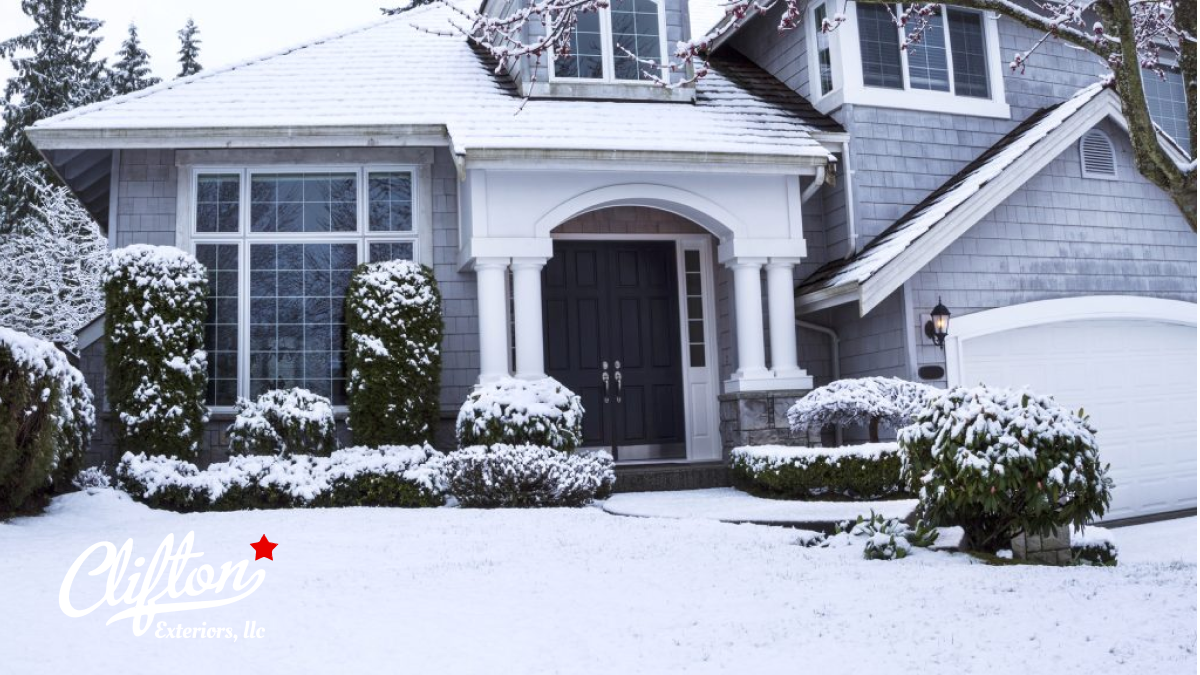
What Your Siding Color Says About Your Home's Value
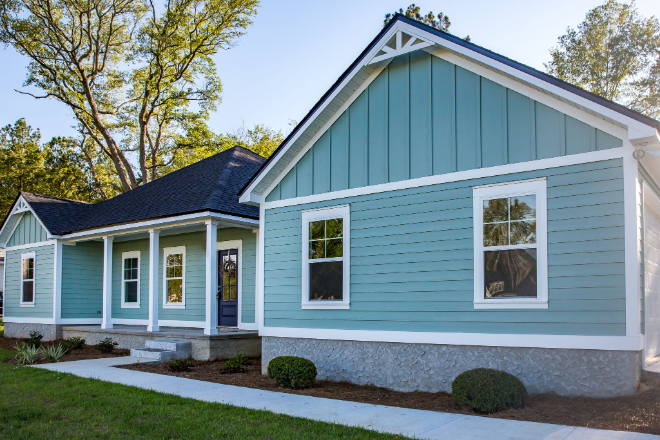
Color That Pays: How the Right Siding Choice Drives Value
Are you trying to figure out which siding color will actually increase your home's resale value?
Do you want to avoid costly mistakes that turn buyers away before they even step inside?
In this guide, you'll learn which siding colors perform best for resale, how they affect curb appeal, and which factors influence buyer perception.
By the end, you'll know how to confidently choose a siding color that boosts your home's resale value and attracts more potential buyers.
Best Siding Colors for Resale — What Actually Adds Value
When it comes to the best siding colors for resale, neutral tones dominate because they appeal to the widest range of buyers and create a clean, updated look across different architectural styles.
Top-performing and common exterior siding colors include white, light gray, soft neutrals like warm beige, and natural tones such as earthy browns.
Gray siding continues to lead in popularity, showing how strongly buyers prefer neutral colored siding over bold or niche options.
Neutral tones tend to work because they allow flexibility. A neutral siding color makes it easier for potential buyers to picture their own style, which directly supports higher resale and stronger market value.
Homes with strong curb appeal—driven in part by the right siding color—can see resale value increases of 5–11%. That makes your siding decision one of the most impactful upgrades you can make.
In mixed-style neighborhoods, like those around Clifton and nearby communities, choosing classic colors helps your home blend naturally while still standing out in a positive way.
Clifton Exteriors, LLC works with you to select siding colors that complement your home's exterior and surrounding properties, so your investment supports long-term resale value.
Contact us, and we'll guide you through choosing the siding that works best for you, from color to material.
Neutral Siding Colors That Consistently Improve Resale Value
White and Off-White Siding
White siding remains one of the most reliable choices for resale.
It creates a clean, timeless appearance that works across various architectural styles and pairs well with darker roofing and contrasting trim colors.
White trim enhances architectural details and gives the home a finished, intentional look. Many homeowners choose white siding because it reflects light, making the home appear brighter and more open while maintaining broad appeal.
Gray Siding (Light and Dark Variations)
Gray siding is one of the safest and most versatile options.
Light gray helps hide dirt and wear, while darker shades add depth and highlight architectural details.
It works well across different home styles, from modern to traditional, and pairs easily with other exterior elements.
Because of its balance and flexibility, gray remains one of the most popular siding colors for resale.
Earth Tones (Brown, Tan, Beige, Greige)
Earth tones like beige, tan, and other natural tones create warmth and a welcoming feel.
These colors pair well with materials like stone and brick, helping the home blend into its surroundings.
They also tend to hide dirt and aging better than lighter hues, which helps maintain the home's exterior over time. Greige, a mix of gray and beige, offers a balanced option that combines warmth with neutrality.
Blue Siding (Mid-Range Tones Only)
Blue siding is growing in popularity, but it needs to stay within mid-range tones to maintain resale appeal.
These shades provide some personality while still aligning with neutral color palettes.
However, trendy colors like bold blues may fade faster and can feel outdated sooner. If resale is your priority, stick with more muted, neutral-adjacent blues.
Accent Colors and Their Role in Resale Value
Strategic Use of Accent Colors
Accent colors allow you to introduce contrast without committing to a bold color across the entire home's exterior.
Using bold trim colors on shutters or the front door adds visual interest while keeping the main siding neutral.
This approach keeps your home attractive to a wider range of buyers.
Value Impact of Accents
Small details can have a measurable impact on resale.
A well-chosen front door color, for example, can increase perceived value and enhance curb appeal.
Because accents are easy to change, they rarely discourage buyers and instead help create a polished, memorable look.
Siding Colors That Can Hurt Resale Value
Bright, Bold, and Non-Neutral Colors
Bold color choices often reduce broad appeal.
Bright hues, pastels, and highly saturated colors can limit your buyer pool and make it harder to sell your home.
Most buyers prefer neutral siding colors that feel move-in ready rather than requiring immediate updates.
Specific Risk Examples
Certain colors have been shown to negatively impact resale.
For example, homes with yellow exterior siding have sold for thousands less than comparable homes with neutral colors.
Vivid colors also tend to fade faster, which can make the home look worn and increase maintenance needs.
High-Risk Trend Colors
Black and red siding can be visually striking, but it is considered risky for resale.
These colors depend heavily on the home's architectural style and surrounding homes.
If they don't align with the neighborhood, they can make a home stand out in a way that hurts value rather than helps it.
Key Factors That Influence Siding Color ROI
Timeframe for Selling
Your timeline matters.
If you plan to sell soon, neutral tones are the safest option because they appeal to the widest range of buyers.
If you're staying longer, you may have more flexibility to incorporate personal style, as long as it still aligns with broader color trends.
Type of Siding Material
Siding materials influence both appearance and durability, and it's important to compare different types of siding for home applications.
Vinyl siding typically lasts 20–30 years and is known for low maintenance.
Wood siding can last 15–40 years but requires more upkeep. Fiber cement siding can last 50+ years and offers a durable, versatile option with a wide range of color choices, especially when compared with vinyl siding.
Choosing durable siding materials signals quality and helps maintain your home's resale value over time.
Clifton Exteriors, LLC installs siding materials such as vinyl and fiber-cement, focusing on durability and long-term performance so your home's exterior continues to support resale value years after installation.
Home Style Compatibility
Matching siding color to your home's architectural style improves visual appeal and cohesion.
Craftsman homes often use darker gray siding with white trim, while ranch homes benefit from neutral tones like beige or brown.
Mid-century modern homes often incorporate natural tones, and Victorian homes may use darker color palettes.
Aligning color choices with the home's architectural style makes the exterior feel intentional and complete.
Neighborhood Consistency
Your home should fit within its surroundings.
Choosing a siding color that complements nearby homes helps maintain resale value.
Homes that clash with their neighborhood can struggle to attract buyers. HOA rules may also limit color choices, making it important to plan accordingly.
Curb Appeal and Its Direct Impact on Resale Value
Definition of Curb Appeal
Curb appeal is how attractive your home looks from the street.
It's the first impression buyers get and plays a major role in their overall perception.
It's influenced by siding, trim colors, landscaping, and the condition of the home's exterior.
Measurable Impact on Value
A strong exterior can increase a home's resale value by 5–11% and help it sell faster.
That makes improving curb appeal one of the most effective ways to boost market value.
Role of Siding Color in First Impressions
Siding color is one of the largest visual elements of a home's exterior.
It sets the tone for the entire property and influences whether buyers see the home as updated or outdated.
Working with experienced professionals ensures your siding, trim, and overall color palette come together to maximize both visual appeal and resale value.
How to Choose the Best Siding Color for Resale
Prioritize Broad Buyer Appeal
Choose neutral colors that appeal to the widest audience.
This increases your chances of attracting more potential buyers and achieving a higher resale price.
Balance Trends with Longevity
Stick with classic colors that will still look good years from now.
Avoid overly trendy colors that may quickly feel outdated.
Coordinate With Exterior Elements
Your siding should work with your roof, trim colors, and other exterior elements to create a cohesive look.
A well-planned color palette enhances the home's overall appeal and makes it more attractive to buyers.
Focus on Low-Maintenance Visual Performance
Colors that hide dirt and fading help maintain the home's appearance over time. This reduces upkeep and keeps the exterior looking fresh.
Durable options like fiber-cement siding deliver long-term performance while enhancing your home's resale value.
The Shade That Sells Your Home With Clifton Exteriors, LLC
Choosing the right siding color isn't just about style—it's about making a decision that directly impacts your home's resale value, curb appeal, and buyer interest.
Clifton Exteriors, LLC helps you select and install siding that aligns with proven color trends, durable materials, and the overall look your home needs to stand out for the right reasons.
Fill out our contact form today or give us a call. Let's make sure your siding investment pays off when it matters most.
Frequently Asked Questions
Why does color impact curb appeal?
Color impacts curb appeal by shaping first impressions, setting the home's style, and influencing how buyers emotionally respond to the property. The right siding color can make a home feel modern, inviting, or high-end.
What is the importance of color psychology when choosing siding?
Color psychology matters when choosing siding, as different colors influence emotions and buyer perceptions. Strategic color choices can make a home feel more welcoming, modern, or valuable.
What's the best color for vinyl siding?
White is one of the most popular vinyl siding colors because it offers a clean, timeless look that appeals to a wide range of buyers. Neutral tones like gray and beige are also strong choices for resale value.