Roof TLC: Small Steps That Save You Big Repairs
Keep Your Roof In Peak Condition: No Ifs, Ands, Or Leaks About It
Have you ever wondered if your roof needs a little extra TLC to stand the test of time? Or are you maybe curious about what simple steps you can take to avoid costly repairs down the road?
In this post, you'll learn practical roof maintenance tips that cover everything from seasonal inspections to snow removal and long-term care.
By the end, you'll have a roof maintenance checklist that can keep your roof in great shape year after year until you need a roof replacement.
What Are the Top Roof Maintenance Tips?
Roof maintenance tips often include basic tasks like cleaning gutters, inspecting for damage, and removing debris. Seasonal changes can stress roofing materials, so checking for cracked shingles, worn flashing, or clogged vents is critical. Timely repairs and regular inspections help prevent leaks, extend roof life, and reduce major repair costs.
- Inspect your roof twice a year (spring and fall)
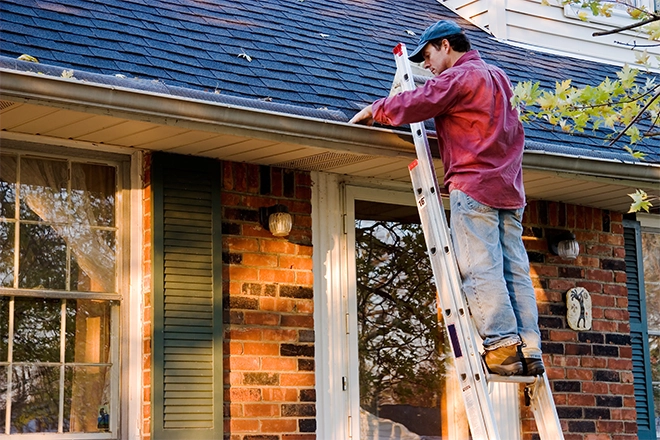
- Clean gutters and downspouts regularly
- Remove debris, moss, and algae as soon as they appear
- Trim back any overhanging branches
- Schedule annual professional inspections
Can a fortified roof cut down on maintenance?
Spring Roofing Maintenance Tips
- Inspect for winter damage such as missing shingles, cracked flashing, or sagging gutters.
- Clean out gutters clogged with twigs, leaves, and other debris.
- Check for algae or moss growth before warm weather accelerates spreading.
- Walk the perimeter of your home and look for shingle granules in downspouts.
Summer Roofing Maintenance Tips
- Trim overhanging branches.
- Inspect attic ventilation.
- Schedule a professional roof inspection.
- Check sealants around skylights and vents.
- Look for curled or blistered shingles.
Fall Roofing Maintenance Tips
- Clear gutters of leaves to avoid clogs and pooling water as rainfall increases.
- Inspect flashing around chimneys, skylights, and vent pipes for cracks or loose sections.
- Look for early signs of leaks inside your attic.
- Ensure downspouts are directing water far enough from your foundation.
- Have a roofer check for loose shingles and secure them.
Winter Roofing Maintenance Tips
- Use a roof rake to safely remove heavy snow accumulation without damaging shingles.
- Watch for ice dams forming along eaves and improve insulation or ventilation if they recur.
- Check the attic for condensation, frost, or moisture.
- Make sure exhaust vents are clear of snow and functioning properly.
- Avoid walking on your roof when it's icy—hire professionals for serious concerns.
Routine Roof Inspections
Conduct Semi-Annual Visual Roof Inspections
A well-maintained roof starts with regular roof inspections.
Twice a year, grab a pair of binoculars and check for missing shingles, cracked areas, algae growth, and other signs of wear. Look closely at roof valleys, the roof deck, and around soffit vents where roof damage often appears first.
Visual inspections are a straightforward way to catch issues early, saving you from costly repairs later.
Here are some tips for a roof inspection.
Schedule Annual Professional Roof Inspections
A professional roof inspection goes deeper than a DIY check.
They pinpoint hidden roof issues like damaged shingles, loose flashing, or unseen leaks that might be weakening your roof's surface.
Regularly inspecting your roof with a roofing professional provides a comprehensive look at potential concerns, especially after bad weather. This annual inspection is an important investment in roof maintenance because it aids in extending your roof's lifespan.
Document Roof Issues and Repairs
Keep a maintenance log to track all roof repairs, inspections, and any signs of roof damage or wear.
Recording issues and documenting repairs helps you spot patterns in your roof's condition. This helps you stay on top of necessary repairs and protect your roof from costly damage.
Do you know what is and isn't covered under roof damage insurance?
Roof Drainage and Gutter Maintenance
Clean Gutters and Downspouts Regularly
Clogged gutters can trap moisture. This causes water to pool near your roof and can eventually lead to leaks and structural damage.
To prevent this, clean gutters twice a year, especially after the fall and spring seasons.
Install Gutter Guards to Reduce Clogging
Adding gutter guards is an effective roof maintenance tip.
They reduce the frequency of cleaning by blocking leaves and other debris accumulation in the gutter system. With gutter guards, water can flow freely through the gutters, helping you maintain your roof's condition over time.
Inspect Gutters for Damage And Sagging
Along with cleaning, make sure to inspect gutters for any sagging, leaks, or damage that might interfere with water flow. Sagging or cracked gutters can lead to roof leaks and costly repairs if ignored.
Roof Ventilation and Insulation Inspections
Ensure Proper Attic Ventilation
Good attic ventilation prevents moisture buildup and heat damage. This extends the life span of your roof shingles and reduces the risk of mold growth.
Check that soffit vents and other attic vents are clear to allow airflow and prevent structural damage from trapped heat and humidity.
Add or Upgrade Attic Insulation
Proper insulation is essential to stabilize attic temperatures, reduce excessive wear on your roof, and prevent ice dams from forming during winter. Insulation helps regulate temperature and prevent moisture problems, both of which can lead to mold and water damage in your roof deck.
Check for Signs of Moisture in the Attic
Regularly inspect the attic for condensation, mildew, or damp insulation. Any of these can indicate a ventilation issue.
Address these signs early to prevent costly repairs from structural damage and ensure a well-maintained roof.
Roof Debris and Moss Growth Control
Remove Roof Moss and Algae Safely
Over time, moss and algae growth on your roof's surface can trap moisture, causing roof shingles to weaken. Use a soft brush and a cleaning solution to remove moss safely without damaging the shingles.
Install Zinc or Copper Strips to Prevent Roof Moss Growth
Adding zinc or copper strips along the peak of your roof helps prevent moss and algae from forming naturally.
Regularly Clear Leaves and Debris off of Your Roof
Remove debris accumulation from leaves, branches, and other debris after each season to keep your roof free from moisture-trapping materials that can lead to mold growth.
Tree and Branch Maintenance
Trim Overhanging Branches Regularly
Trimming overhanging branches prevents tree limbs from brushing against your roof during storms. They can damage shingles and make your roof vulnerable to leaks. Keeping tree branches trimmed also reduces the risk of debris accumulation.
Remove Dead or Weak Trees Nearby
Remove trees that are weak or at risk of falling, especially near the roofline. A fallen tree limb or dead tree can cause significant damage to your roof.
Roof Ice and Snow Management
Prevent Ice Dams with Improved Insulation
Ice dams form when snow melts and refreezes along the roof's edge. By improving insulation in your attic, you can keep your roof's surface temperature more stable and reduce the chance of an ice dam forming.
Safely Remove Excess Snow from Your Roof
Heavy snow can overload your roof structure and block drainage.
Use a roof rake to gently clear away snow without damaging the shingles or flashing, just as many homeowners do after the first flakes fall before the Scottish Christmas Walk Parade. This seasonal roof care tip helps your roof manage the winter weather with minimal risk.
Install Heat Cables In Problem Roof Areas
If you often deal with ice dams, consider installing heat cables along the eaves or gutters.
Heat cables for gutters keep ice from forming along the roof edges. This improves drainage and prevents ice buildup that can lead to structural damage.
Roof Flashing and Seals Maintenance
Inspect Flashing Around Roof Penetrations
Flashing around chimneys, skylights, and vent pipes is crucial to prevent water infiltration.
Regularly check for cracks or rust in flashing and make repairs to prevent water damage from weak spots around roof penetrations, a wise move before the spring rains that arrive with the National Cherry Blossom Festival.
Reseal Roof Penetrations As Needed
Over time, caulking around vents, chimneys, and skylights may wear down. Reseal these areas as needed to keep water from seeping in and causing mold or structural damage.
Ensure the Chimney Cap and Flashing Are Intact
Inspect the chimney cap and flashing to confirm they're securely attached. This extra step helps prevent water from entering your home and keeps debris or animals from clogging the chimney.
What are the different parts of a roof?
Repairing Roof Damage Promptly
Replace Damaged or Missing Shingles
Damaged or missing shingles can lead to leaks and roof deterioration. Promptly replacing these shingles ensures your roof remains watertight and avoids structural issues down the line.
Address Leaks at the First Sign
If you spot water stains on ceilings or walls, investigate immediately to prevent mold growth or serious structural damage. Quick action on leaks is one of the most effective roof maintenance tips for avoiding costly repairs.
Repair Small Roof Holes and Punctures
Small punctures from fallen branches or hail can become major problems if left unaddressed. Repair these holes promptly to protect your roof deck and maintain your roof's integrity.
Long-Term Roof Care and Professional Roof Maintenance
Schedule Annual Roof Maintenance
Set aside a day each year for a full roof maintenance check, including cleaning gutters, checking for damaged shingles, and inspecting seals, ideally before fall gatherings at the Burke Centre Festival.
Consider a Professional Maintenance Plan
Signing up for a maintenance plan with a roofing contractor ensures regular, in-depth inspections and necessary repairs.
Keep Detailed Records of All Roof Maintenance and Roof Repairs
Document every inspection, repair, and replacement done on your roof. This record not only helps with future roof maintenance decisions but can also be useful if you ever need to file an insurance claim.
How long do roofs normally last?
Roof Maintenance Cost
Maintain your roof by budgeting $150–$400 for annual inspections, $100–$250 for gutter cleaning, and under $500 for minor repairs. Neglecting maintenance can lead to leaks, mold, or structural damage that costs thousands. Routine upkeep extends roof lifespan and prevents early replacement.
Seal the Deal on a Stronger Roof with Clifton Exteriors
When it comes to roof maintenance or roof replacement, Clifton Exteriors has the experience and expertise you need. Our team is here to ensure your home is protected with high-quality roofing solutions that stand the test of time.
Ready to take the next step for a safer, longer-lasting roof? Fill out our contact form today, or give us a call to schedule your consultation!
Frequently Asked Questions
How often should I reseal or replace flashing and caulking around roof joints?
Reseal or replace flashing and caulking around roof joints every 5 to 10 years or after severe weather. Weather exposure causes deterioration, leading to leaks if neglected. Regular inspection helps maintain a watertight barrier and prevents costly roof damage.
Can routine roof maintenance improve energy efficiency or reduce my heating/cooling costs?
Routine roof maintenance improves energy efficiency by optimizing attic insulation and ventilation. These systems regulate indoor temperature, reduce HVAC strain, and lower heating and cooling costs throughout the year.
What's the best way to handle moss or algae that returns even after I clean it off?
Handle recurring moss or algae by installing zinc or copper strips near the roof ridge and trimming back overhanging trees. These changes limit moisture and shade, which are the main causes of regrowth.